
Renovating your kitchen can be as thrilling as cooking your favourite recipe on a sunny Sunday afternoon – imagine chopping veggies on brand-new cabinets! If you’re a Central Coast homeowner dreaming of a kitchen that’s bright, spacious and perfect for family dinners or weekend BBQs, this guide is for you.
In our Kitchen Renovation Guide, we’ll break down average costs, likely timelines, and the big design decisions you’ll face. By the end, you’ll feel ready to plan confidently and start your project with a clear vision.
Planning Your Kitchen Renovation
Think of a kitchen renovation like planning a road trip. You wouldn’t just jump in without a map, so start with a list of must-haves versus nice-to-haves. Are you after a gourmet chef’s kitchen with all the bells and whistles, or simply updating the look on a budget?
For example, an open-plan layout with an island bench feels ultra-modern and is great for entertaining, but it involves structural work.
Pro tip: Walk through your current kitchen over a few days and jot down any annoyances (a flickering light or an awkward cabinet). These notes become your priorities. Next, set a realistic budget before the demo starts – knowing what you can spend will guide every decision and avoid nasty surprises.
Decide goals (style, space, storage); sketch a rough layout or save inspiration photos; check council rules (especially if moving walls or plumbing); and plan which tasks pros should handle.
Once you have a plan, get quotes from licensed trades and finalise your budget (include a 10% buffer). Good preparation now makes the renovation smoother later.
Budgeting and Cost Breakdown
A big question is: How much will this cost? In Australia, kitchen renovations run the gamut. A simple cosmetic update might start around $5,000–$15,000. A mid-range redo is roughly $22,000–$45,000. And a high-end remodel can easily exceed $45,000.
| Budget Tier | Typical Cost (AUD) | What It Gets You |
|---|---|---|
| Budget | ~$5,000–$15,000 | Fresh paint, new laminate bench top, basic fixtures |
| Mid-range | ~$22,000–$45,000 | Engineered stone benchtops, semi-custom cabinets, better appliances |
| High-end | $45,000+ | Premium finishes: granite or quartz tops, custom cabinetry |
These figures depend on your kitchen’s size and choices. Labour often makes up 60–70% of the budget (tradespeople are a big part of the bill), with the rest on materials.
Watch for extra costs: moving pipes or adding electrical points can add thousands. For example, relocating a sink or adding a new oven outlet will bump up your quote.
Pro tip: Any plumbing work is best done by an expert. The local kitchen renovations specialist in Central Coast can help avoid surprises and ensure all water and drainage work is spot-on!
Renovation Timeline: What to Expect
“Rome wasn’t built in a day,” and the same goes for your kitchen. On average a full renovation takes about 6–12 weeks. A quick refresh could be faster, but a start-to-finish gut job often spans a couple of months. Here’s a simplified timeline:
- Demo & Prep (1–3 days): Strip out old cabinets, benches or flooring – messy, but quick.
- Structural Changes (1–2 weeks): Knocking out walls or adding supports for an open-plan design takes time.
- Rough-in (~1 week): Plumbers and electricians run new pipes and wiring. Typically about a few days each of plumbing and electrical work.
- Install (2–3 weeks): New cabinets, benchtops and flooring get fitted. Ready-made units go faster; custom pieces take longer.
- Finish (1 week): Tiling, painting, trim, and appliance hookups – the final touches that bring it all together.
Tip: Build in some buffer time for unexpected delays (shipping lags, surprise repairs). A realistic schedule helps avoid a renovation headache.
Key Design and Layout Decisions
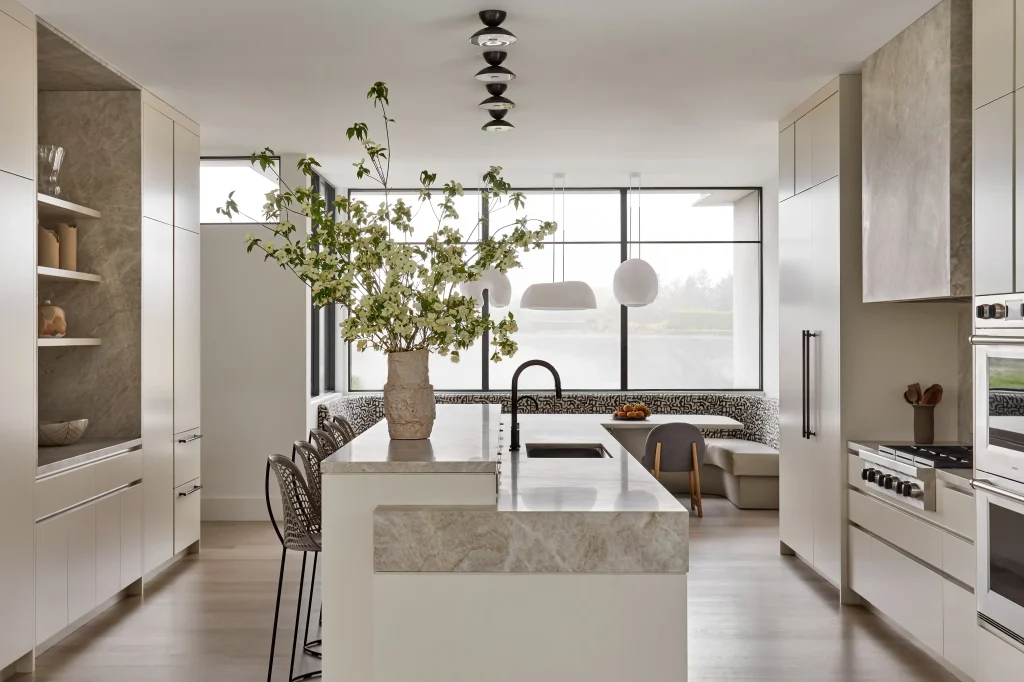
Now the fun part: style and layout. Think about how you use your kitchen. Common layouts include open-plan (great for social cooking), galley/U-shaped (efficient use of space), or L-shape with an island (extra bench and storage).
Each has pros and cons: open-plan needs more work (removing walls), whereas a galley is simpler but might feel tight. Keep in mind the “kitchen triangle” (sink, stove, fridge locations) for easy flow.
Key choices:
- Materials & colour: Timber accents and stone benchtops add warmth on the Coast. White or light grey cabinets make the space feel bright. Deep blues or greens on lower cupboards create a modern focal point.
- Storage: Make use of pull-out pantry shelves, deep drawers and organisers so everything has its place. Open shelves can display your favourite dishes.
- Appliances & fixtures: Decide gas vs electric cooktops (gas gives instant heat but needs a gas line). A second oven or extra fridge might be worth it if you love to cook. Statement taps and lights double as decor.
Blend trends with personal touches. Your kitchen should suit your lifestyle and taste.
Selecting Materials and Appliances
- Benchtops: Laminate (low cost), engineered stone (mid-range) or granite/marble (premium). Quartz is a popular durable choice.
- Cabinets: Flat-pack or melamine cabinets save money; solid wood or custom units cost more. Some renovators keep existing cabinet boxes and replace only doors/handles for a facelift.
- Flooring: Porcelain tiles are practical and water-resistant. Timber or luxury vinyl planks feel warm underfoot. Choose what fits your style and is easy to clean.
- Appliances: Fridge, oven, cooktop, dishwasher – these are big spends. Stainless steel is classic, but panel-ready units blend in. Decide how much cooking space you need and gas vs electric cooktops.
You don’t have to splurge on everything. If your fridge or oven still works well, keep it and design around it. That lets you allocate more budget to finishes you’ll see every day.
Permits, Approvals & Sustainability
- Permits: Major changes (moving walls, altering plumbing) usually require council approval. Always check your local council early.
- Licensing: In NSW, any renovation over $5,000 must be done by a licensed contractor. (Unlicensed work can lead to heavy fines.)
- Sustainability: Renovating is a great time to improve efficiency. Swap old appliances for new energy-efficient ones and add LED lighting. The Australian Government’s Renovations and Additions guide covers many of these tips.
These steps are good for the planet and your wallet, as running costs go down.
Hiring Professionals
You might be DIY-savvy, but some jobs really need experts. Plan to hire at least a builder or project manager (to coordinate everything), a plumber (for sinks, pipes, gas lines) and an electrician (for wiring, lights, oven circuits). Cabinet-makers or carpenters will fit cupboards, and tilers will lay floors.
Australian trades charge roughly $60–$150 per hour, so labour adds up. But paying pros can save money in the long run – they get it right first time. For example, I once attempted a small plumbing repair myself during a renovation and ended up paying more to have a licensed plumber fix it than I would have if I’d hired one initially.
If budget is tight, DIY what you can (demoing or painting), but hire licensed pros for plumbing, electrical and structural work to avoid costly mistakes or safety issues.
Local Central Coast Flavour and Trends
The Central Coast style is laid-back and natural, and your kitchen can reflect that. Many local kitchens use light, airy designs – white or pale cabinets with warm wood floors. Large windows or sliding doors that open to the outdoors are a lovely feature here.
Popular touches:
- Mixed materials: Combine smooth matte bench surfaces with natural timber or brick. Matte black tapware and hardware are trending and add a chic contrast.
- Two-tone cabinets: Painting lower cupboards a darker colour (navy or forest green) with lighter uppers is very on-trend and adds visual interest.
- Islands & open shelving: A central island bench (with stools) is great for prep and socializing. Open shelves display plants or pretty dishes and keep the space feeling open and casual.
A few high-tech appliances (like an induction cooktop or a smart oven) can be fun, but they’re optional. Focus on what you love and what fits your home’s vibe – that’s the real key to a kitchen that feels you.
Conclusion
Renovating your kitchen is a big undertaking, but with solid planning it becomes a rewarding journey. Remember to set a clear budget (with that little emergency buffer), plan for around 6–12 weeks of work, and make decisions that balance style with function. Don’t forget permits and licensed pros for major work.
With the right choices, your updated kitchen will look fantastic and serve your lifestyle for years. So, grab a cuppa and start jotting down your ideas – your dream kitchen is closer than you think! What’s the first thing you’d change in your kitchen? Share your thoughts or questions below. For extra guidance, chat with a local kitchen specialist or builder – they can offer tips and quotes tailored to your home.
Frequently Asked Questions
How much does a kitchen renovation cost on the Central Coast?
It varies by scope. Generally, a basic update costs $5,000–$15,000, a mid-range reno $22,000–$45,000, and a luxury makeover can exceed $45,000. Your exact price depends on kitchen size and material choices.
How long will the renovation take?
Plan for about 6–12 weeks. A quick makeover (paint, fixtures) might only take a few weeks, but a full strip-and-rebuild is closer to 2–3 months. Build in some extra time for delays like shipping or surprises.
Do I need council approval or a permit?
If you’re just updating finishes (paint, tiles, cabinets), you probably won’t. But moving walls, rewiring or replumbing usually needs approvals. Also in NSW, any work over $5,000 must be done by licensed contractors. Check with your council early to avoid issues.
Can I DIY any of the renovation to save money?
Yes – you can tackle simple tasks like demolition, painting or cleanup to save on labour costs. Just leave the plumbing, electrical and structural work to the pros. A good plan is do the easy stuff yourself and hire experts for the rest. This way, you cut costs but avoid expensive mistakes.
What are the popular kitchen design trends right now?
Airy, light kitchens remain popular – think pale cabinets, wooden floors and lots of natural light. Matte-black taps and two-tone cabinetry (darker lower, lighter upper) are very trendy. Open shelving and statement lighting also top many wishlists.