Clogged pipes are a surefire way to turn a sunny Central Coast morning into a soggy nightmare. Picture this: you’re gearing up for a backyard barbeque at Terrigal, but your kitchen sink decides to stage a protest. Fear not – before you pick up the phone and call the plumber, try these 7 fast fixes.
They’re simple, budget-friendly DIY tricks you can tackle right now to clear common clogs. Each hack is explained step-by-step (with safety tips!), so you won’t be left wading in murky water. Let’s dive in – and remember, a clear drain means a clear head!
1. Plunge It Out: The Trusty Plunger
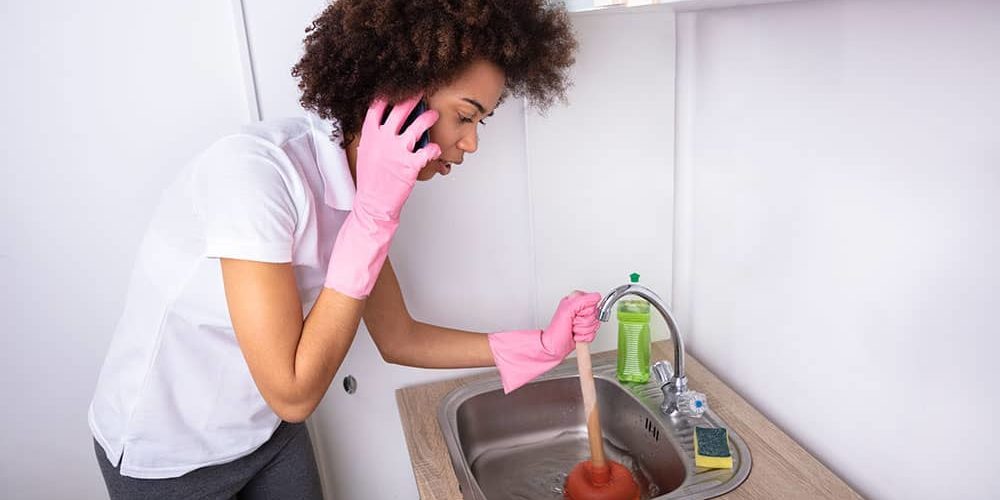
Nothing is more old-school (and effective) than the humble plunger. You probably have one under the sink – now’s the time to put it to work. Make sure there’s enough water in the basin to cover the plunger cup (this helps create suction). Position the plunger over the drain and pump it up and down vigorously for 20-30 seconds, then lift it away to see if the water drains.
Repeat until the clog shifts. Using the right plunger helps: a toilet flange plunger for the loo, or a flat-headed sink plunger for shower and sink drains.
If you have a double sink, plug one side with a rag and plunge the other – this increases pressure and suction.
According to Blocked Drains experts, the plunger “forms a seal around the plug hole, followed by a vacuum effect that removes the blockage”. It’s simple, chemical-free, and often just works. (It may feel like a mini workout, but hey – think of it as building arm strength!)
2. Fish It Out with a Wire Hanger
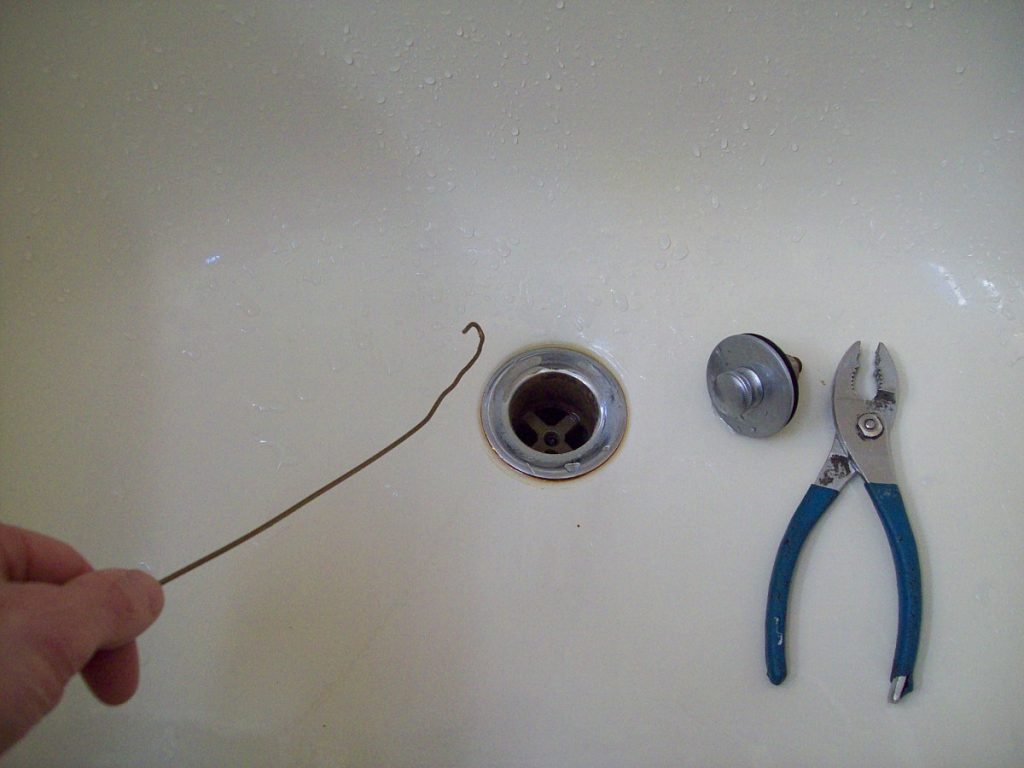
When the clog is close to the drain opening (think hair, soap scum, or food particles), a DIY drain snake can do the trick. Grab a metal coat hanger, straighten it out, and bend one end into a small hook. Gently insert the hooked end into the drain and fish around – you might feel clumps of hair or gunky debris snag on the hook. Carefully pull these bits out. Keep going until no more nasties come out.
Be gentle: if you meet hard resistance, don’t force the hanger deeper (you could scratch the pipe or push the clog further down). The idea is to snag and remove what’s right near the surface. If there’s nothing obvious, pull it out and try again a bit deeper. Plumbing pros agree that this “wire coat hanger” method is great for catching hair and residue. After you’ve fished out the clog, run hot tap water to flush the loosened debris.
3. Scald with Hot Water
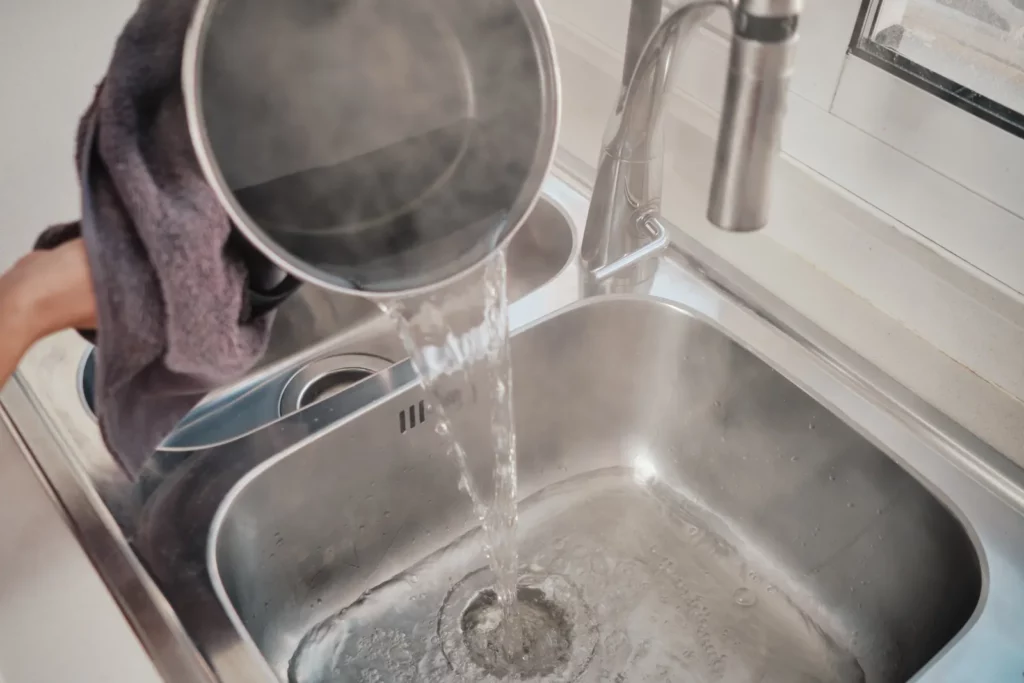
Heat can melt away greasy gunk. Boil a kettle and slowly pour the boiling water directly into the drain in stages (do this in two or three bursts, pausing between pours). The hot water should help dissolve soaps, fats, and light grease that might be holding the clog together.
This method works best on metal pipes – do not use boiling water on plastic (PVC) drains, as the heat could warp them. In fact, a handy tip from Central Coast plumbers is that boiling water is a “tried-and-true method” for built-up oils and conditioners.
After pouring, give it a minute and then run hot tap water. If the clog was minor, it might have already flushed away. If it’s only slightly slow, keep the hot water running for a minute to clear any remaining residue. This trick often clears kitchen sink clogs (grease traps break down, plates wash out smoothly).
4. Baking Soda & Vinegar Volcano
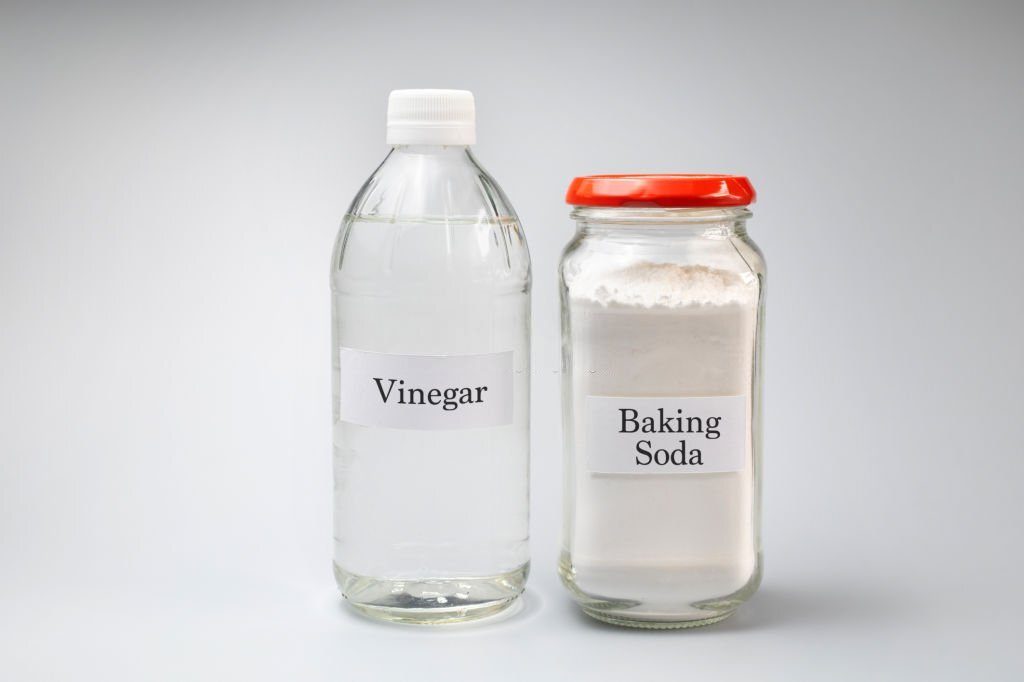
For a foamy fight-back against organic clogs (think food, soap, toothpaste), use the classic baking soda + white vinegar mix. First pour a cup of bicarbonate of soda (baking soda) down the drain, then pour a cup of white vinegar right after. It will fizz like a mini volcano – that bubbling action helps break apart blockages. Let the mixture sit for 15–30 minutes. Then flush with hot water (or boil a kettle and pour hot water down) to wash everything out.
This all-natural combo is gentle on pipes and non-toxic (no harsh chemicals!). It’s especially handy for clearing soap scum, shampoo residue, and odors. This “hot water and natural cleaner mixture” can break up blockages and chase away nasty smells.
Safety note: Even natural cleaners can be irritating – use gloves and avoid splashes. Repeat once or twice if needed.
5. Wet/Dry Vacuum Suction
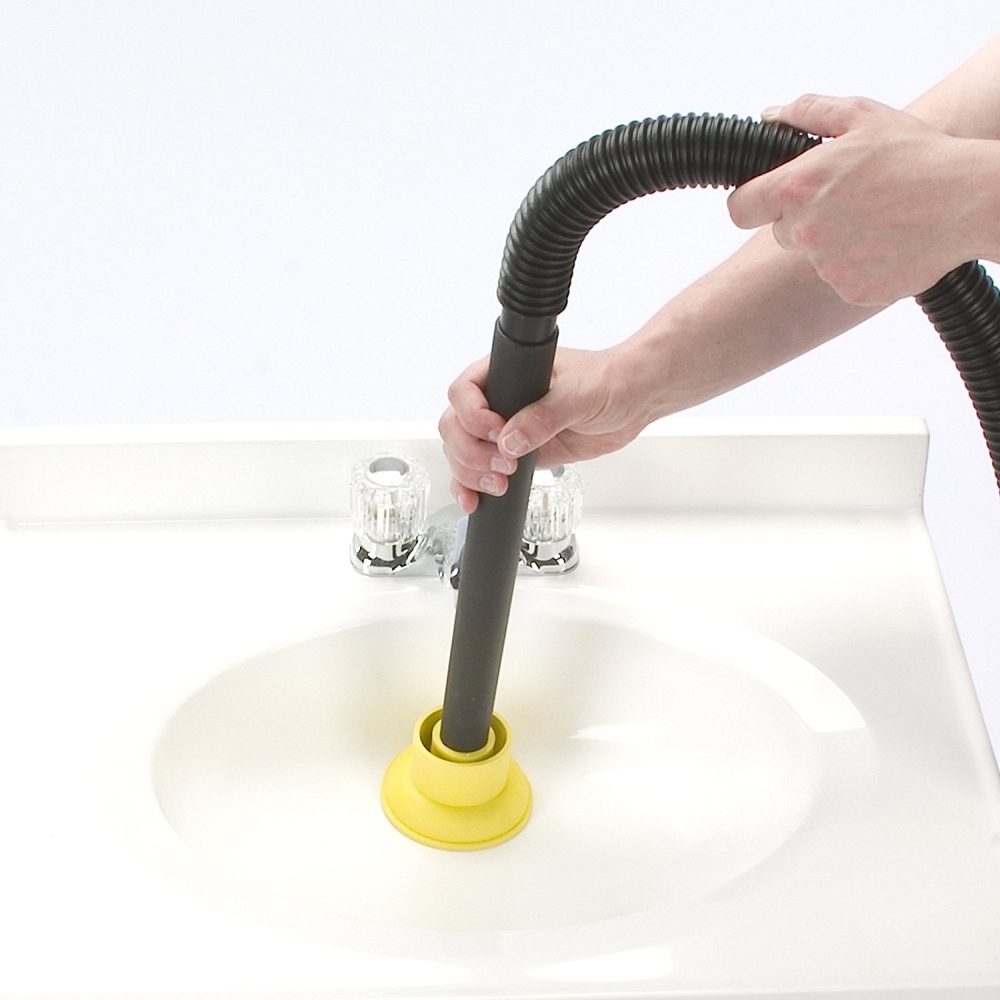
Have a wet/dry vacuum (shop vac) lying around? It can double as a powerful suction snake. Switch the vacuum to wet mode (since there’s liquid in the drain). Cover any side drains or sink overflows so all suction is focused on the clog. Create the tightest seal you can between the hose and the drain (use an old rag if needed around the edges). Turn on the vacuum and let its suction pull the clog up into the hose. This method “can break up and remove the clog” really fast.
If you do try this, put a towel on the floor for any splashback when you pull the vacuum off. It’s a bit of a project, but for really stubborn clogs (especially if plunging failed), it’s a game-changer. (Pro plumbers even use high-end vacuums for this!) Just remember to switch back to “wet” mode before storing the vacuum.
6. Clean Out the U-Bend (P-Trap)
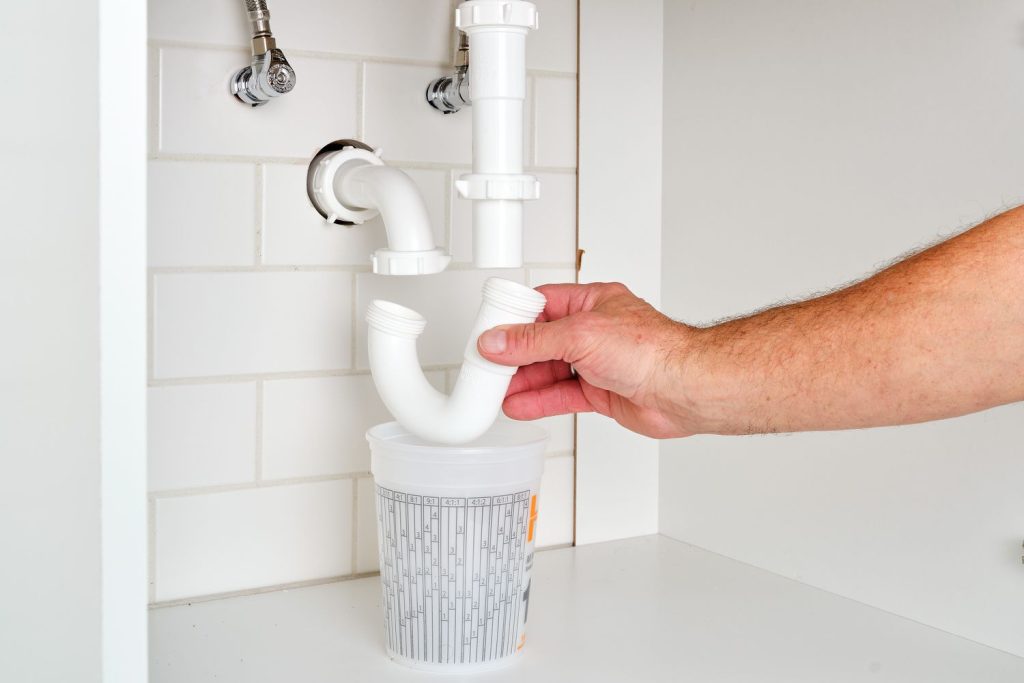
This one’s for the brave: put on gloves and place a bucket under the U-shaped pipe (P-trap) beneath your sink. Use a wrench or pliers to loosen the nuts on each end of the U-bend. Once loose, remove the trap – water and gunk will pour into the bucket. Clean out all the gunk, hair and food debris from inside the pipe. Check and clean the connecting pipes too. Then reassemble (tighten the nuts by hand and a bit with a wrench, but don’t over-tighten).
This may sound messy (and it is), but it works. Most food bits and hair end up lodged in that U-trap. By actually removing it, you eliminate the clog entirely, not just push it around. Turn on the tap when you’re done to check for leaks. If it drains freely and there are no drips under the sink, you’ve fixed the problem!
7. Use a Drain Cleaner (With Caution)
If all else fails or you suspect a tough grease buildup, a store-bought chemical drain cleaner can dissolve stubborn clogs. Many of these are caustic (the label will say “grease cutting”). Carefully follow the instructions on the bottle: usually you pour it in, wait 10–30 minutes, then flush with water. These products “dissolve grease, fat, and oils” effectively. They can clear clogs that DIY methods struggle with.
However, be extra careful: wear gloves and eye protection, and ventilate the room. These chemicals are powerful and can burn skin or damage eyes. Never mix cleaners (like bleach with drain cleaner) – that creates toxic gases. If you prefer a gentler approach, look for an enzyme-based or “bio” drain cleaner. These use bacteria that eat organic gunk (they’re slower but eco-friendlier). Either way, use these products as a last resort.
| Method | Best for | Pros | Cons |
|---|---|---|---|
| Plunger | Small local clogs (sink/toilet) | Simple, no tools needed | Needs good seal; limited power |
| Boiling water | Grease, soap scum | Easy and safe for metal pipes | Can warp plastic PVC pipes |
| Baking soda & vinegar | Mild clogs, odors | Natural, non-toxic, deodorizes | Slow action; may need repeats |
| Wire coat hanger | Hair, toothpaste, debris | Uses common household item | Risk scratching pipes; laborious |
| Wet/dry vacuum | Stubborn clogs | Very powerful; fast | Requires special vacuum; messy |
| U-bend cleaning | Sink clogs (food/hair) | Thoroughly removes blockage | Messy; requires tools and disposal |
| Drain cleaner (chemical) | Heavy grease or organic clogs | Very strong, dissolves grease | Toxic; must handle with caution |
Prevent Future Clogs: The best fix is no clog at all. Simple habits help keep drains clear. Use sink strainers or traps to catch hair and food scraps (empty the catcher into the bin). Never pour cooking oil down the sink – it solidifies and “gathers and clumps together” into a nasty plug. Also, avoid flushing anything but toilet paper.
Items like baby wipes, sanitary products, and even coffee grounds belong in the rubbish, not the pipes. Rinse drains weekly with hot water to wash away little bits before they build up. These small steps keep your pipes flowing smoothly and save you from bigger headaches down the road.
Conclusion
In summary, blocked drains needn’t ruin your day. These fast fixes – plunging, hot water blasts, homemade cleaners, and simple tools – can clear many clogs on the spot. We’ve backed each tip with expert advice (see sources below) so you know they work. If you still have trouble, remember that Professional Central Coast Plumber are just a call away. Don’t let a clogged drain cramp your style – try these solutions, and keep the water flowing smoothly.
Frequently Asked Questions
What’s the safest DIY method to unblock drains on the Central Coast?
The safest DIY fix is pouring boiling water down the drain (metal pipes only). It’s chemical-free and effective on grease. For bathroom clogs, try baking soda and vinegar.
When should I call a plumber for blocked drains in Central Coast homes?
If you’ve tried multiple DIY methods with no success—or if water backs up quickly—contact a local plumber. Persistent clogs may indicate deeper issues.
Can chemical drain cleaners damage my pipes?
Yes, overusing harsh cleaners can corrode your pipes, especially plastic ones. Use them as a last resort, or opt for enzyme-based cleaners for regular maintenance.
How do I stop my drains from blocking again?
Prevent clogs by using drain strainers, avoiding grease in sinks, and flushing hot water weekly. Regular maintenance is key to avoiding repeat blockages.