Sewer drain cleaning on the Central Coast can become a costly problem when hidden issues go unnoticed. From invasive tree roots to everyday habits that quietly wreak havoc, many of the most expensive plumbing problems start small and stay hidden until it’s too late.
But with the right insight, you can spot the warning signs early and take action before you’re hit with an unexpected repair bill.
In this guide, we’ll uncover the hidden culprits behind costly Sewer Drain problems in the Central Coast and share practical tips to help you avoid them.
It’s time to stay one step ahead and keep your drainage system and your wallet in good shape.
1. Tree Roots: The Underground Invaders
The Issue:
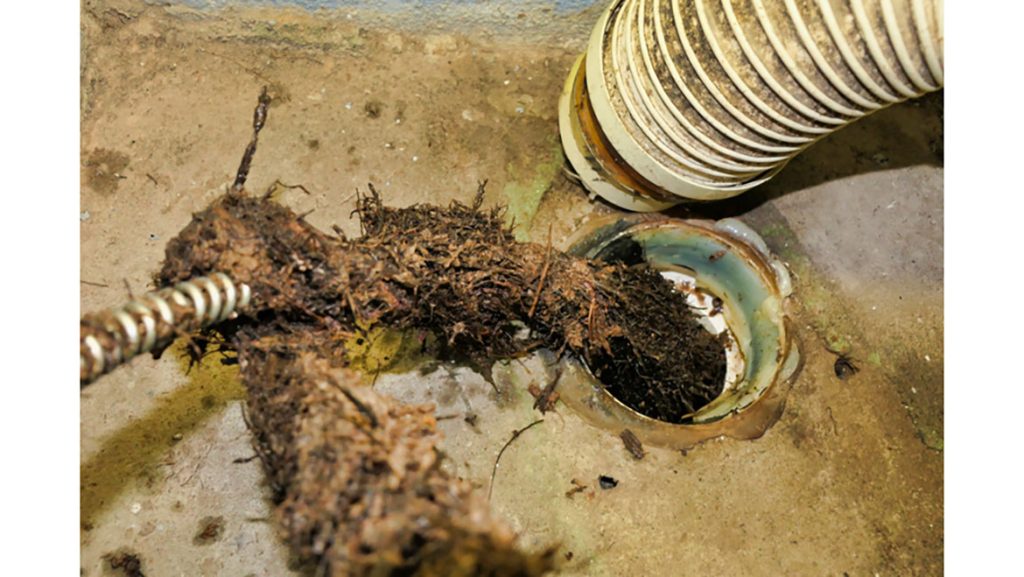
Those beautiful gum trees and river oaks in your backyard can have a secret life – their roots love to snake into sewer pipes in search of moisture. Old clay or jointed pipes can develop tiny cracks or gaps, and tree roots exploit these openings. Over time, roots grow thicker inside the pipe, breaking walls, slowing flow and even causing complete blockages.
How it affects your drains:
You might notice toilets gurgling or strange sounds as roots displace water flow. In nasty cases, roots can crush pipes or divert sewage into the ground, creating sinkholes or lush patches of grass above the line.
Prevention/Fix:
Keep large trees at least 5–10 metres away from sewer lines if possible. Prune or remove problematic trees and use root-killing foam products periodically (Australian plumbers often use foaming root killers). Have a plumber run a cable snake or CCTV camera through the sewer every couple of years to spot root ingress early.
If roots invade, a one-off plunger won’t cut it – you’ll need professional hydro-jetting or root-removal, and possibly pipe repair. Trust me, we’ve seen pipes literally entombed in roots. Regular inspections can save you major $$ down the line.
Did you know? In older systems, root intrusion is so common that every plumber has a horror story. As Oatey’s plumbing blog notes, roots often grow “through openings [in clay pipes] and expand, damaging the piping” – a slow, hidden disaster waiting to happen.
2. Grease, Fats and Oils: The Kitchen Gremlins
The Issue:
After a roast or BBQ, it’s tempting to dump leftover bacon fat, cooking oil or meat drippings down the sink with hot water. Big mistake. When hot grease hits the (much cooler) pipes, it congeals and sticks to the interior. Over time that sticky layer thickens, grabbing hair, food scraps and even soap scum to form a sludge. These fatbergs eventually choke the line.
How it affects your drains:
Slow-draining sinks, rancid grease odors, or repeated clogs in the kitchen or even bathroom can signal a grease build-up. You might call a plumber in central coast for a quick snake, but if the gooey grease remains, the blockage will come right back – usually bigger (and costlier) the next time.
Prevention/Fix:
Never pour fat, oil or grease down the drain. Instead, scrape cooled grease into the bin (or collect it in a sealed container). Wipe pans with paper towel first – even the ABC News fatberg exposé emphasizes: “Wait for fat to cool and scrape it into a bin”. If you’ve accidentally built up grease, the fix is a deep clean: a plumber can jet out the lines with high-pressure water.
Bonus tip: running boiling water with a spoonful of dish detergent down the drain weekly can help dissolve minor grease. It might feel like extra work, but think of it this way – one avoided fatberg saves hundreds in emergency fees.
3. “Unflushables”: Wipes, Tissues and Other Surprises
The Issue:
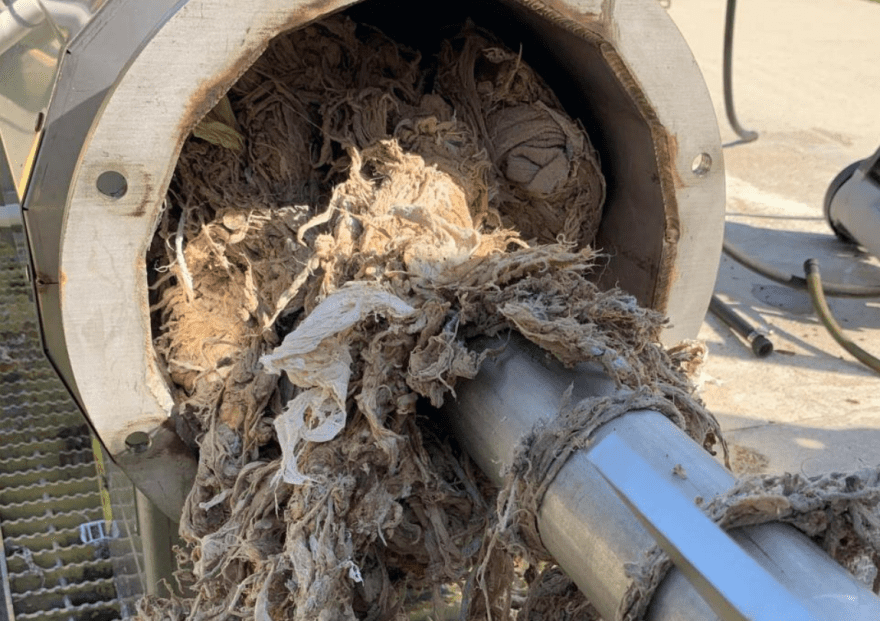
You’ve heard it a thousand times, but let me say it again: nothing but toilet paper should ever go down the loo. Wet wipes (even the so-called “flushable” kind), paper towels, facial tissues, cotton buds, sanitary pads – these items don’t break down. They tangle and lodge in traps and pipes, gradually accumulating into a wall that backs sewage up. In fact, Sydney Water reports that non-flushable wet wipes account for about 75% of drain blockages!
How it affects your drains:
One stubborn wipe is a recipe for disaster. You might first notice toilets barely flushing, or weird slow drains that clear after a strong plunge but clog again soon after. Eventually, you could end up with sewage backing up in the bathroom or a nasty faucet bubble. “If your drains are draining slowly, which probably means you already have a partial blockage,” warns plumbing experts.
Prevention/Fix:
Be ruthless about what goes in the toilet. In fact, join Sydney Water’s pledge: “Only flush pee, paper and poo.” If it’s not literally human waste or toilet paper, chuck it in the bin. Teach flatmates or family members too (maybe that funny pledge quote from the toilet-blockers campaign will stick).
If a blockage happens, only a professional with a snake or camera can remove all that fibrous junk – and yes, it’s a messy, pricey job. So nip it in the bud: dispose of wipes and pads in a bin every time.
4. Broken, Collapsed or Old Pipes: The Silent Drainer
The Issue:
Sometimes nothing you flush or pour is to blame – the problem is the pipe itself. Pipes shift, corrode or even collapse due to soil movements, heavy traffic above, or simply age. In many Central Coast homes (especially older ones), clay or cast-iron pipes have lived through decades of scorching summers, rain and shifting earth. Tiny cracks can form at joints; sections can sag over time. When this happens, the path for sewage is disrupted, leading to backflow or leakage underground.
How it affects your drains:
Signs of a failing sewer line can be subtle. You might see unusually lush or muddy patches in your yard (from sewage seeping out) or even small sinkholes. Indoors, multiple fixtures might back up at once (e.g. both the bath and the toilet gurgling) – a hint that the main line is compromised. Water bills might suddenly spike too, if groundwater is leaking in.
Prevention/Fix:
This one requires a pro’s eyes (and camera). If you suspect pipe collapse (maybe after a big rainstorm or if your house is old), hire a drain inspection plumber. They’ll run a CCTV camera down the line. Often the fix is pipe relining or replacement. Yes, it’s an investment – but doing nothing will only make emergency repairs worse (and costlier).
Picture cracked old pipes: with time, those cracks let in roots and soil, and even a tiny broken section can snare debris and jam the whole works. Catch it early with inspection, and you might save your sewer – and your wallet – from a complete meltdown.
Fig 2: Damaged or rusted plumbing (left) can lead to leaks and blockages. Act fast if you spot cracks, rust, or warping in visible pipes.
5. Hard Water Scale and Soap Gunk: The Slow Accumulator
The Issue:
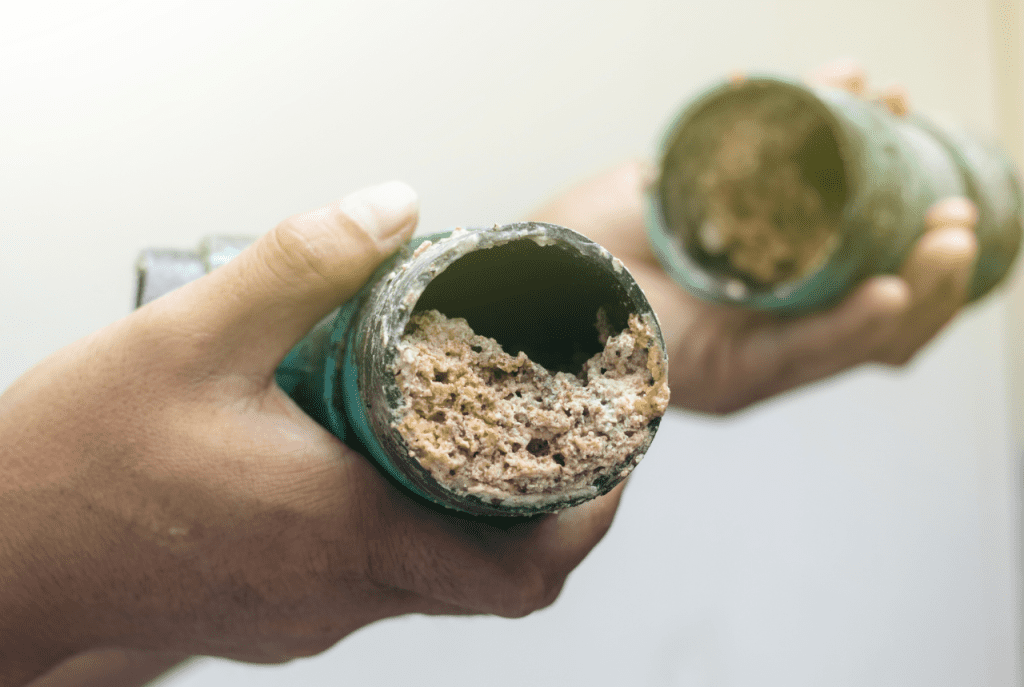
Central Coast water can be pretty hard in places, carrying minerals like calcium. Over weeks and months, these minerals precipitate out and stick to pipe walls as limescale. Imagine a slow-growing narrow-candle of crust on the inside of your pipes. Combine that with soap scum and minerals from detergents, and you’ve got a plaster that disappears the cross-section of your pipe. It’s not dramatic overnight, but gradually your drains clog up.
How it affects your drains:
Drains might just become slightly slower each day until one day, even plungers can’t clear it. You might notice a trickle in taps or showers, or clogged shower screens. It’s sneaky: you think it’s just a tiny build-up, until your shower floods and you’re staring at a chunk of chalky goo from the drain.
Prevention/Fix:
Combat hard water if you can. Consider installing a water softener or at least running a monthly vinegar (or descaler) flush down drains to dissolve early scale. For existing scale, a professional may need to descend onto the drain line with chemical flush or mechanical cleaning. Always ask your plumber about mineral prevention – it’s much cheaper to protect than to rebuild.
6. Blocked Sewer Vents: The Roof Sneak Attack
The Issue:
Every home sewer has a vent stack – a pipe that vents gasses through the roof. Homeowners rarely think about it, because it’s hidden up top. If leaves, debris, or even a mischievous bird’s nest clogs that vent, the entire system loses its ability to “breathe.” Suddenly, draining sinks or flushing toilets will create suction and gurgling, because the air needs to escape up there. Without a clear vent, water and waste have nowhere to go but up.
How it affects your drains:
You might hear multiple drains burping or gurgling whenever any water runs (not just in one fixture). Foul sewer smells wafting from bathtub or laundry drains can also signal a blocked vent. If water backs up in weird places (say, the shower trickling out when the dishwasher runs), check the vent or check valve.
Prevention/Fix:
Checking vents isn’t sexy, but it’s important. After a big storm or in autumn when trees shed, put on a ladder (safely!) or call a plumber to inspect your roof vent for blockages. Clear away any debris or bird nests.
In areas prone to high water tables or flooding (like parts of Gosford), installing a backwater (backflow) valve can prevent sewage from the main sewer backing up into your home when the system is overwhelmed. Regular maintenance of vents and valves is the unsung hero of preventing backups – think of it as your home’s breathing apparatus.
7. Stormwater and Infiltration: When Nature Joins In
The Issue:
Heavy rains can overwhelm sewer systems. If your yard’s grading isn’t right, or if a construction crew accidentally ties stormwater into the sewer, excess water can flow back into your drains. Also, flooding can saturate soil above cracked pipes, forcing outside water (and debris) in. Sometimes, neighbours with separate drainage problems can indirectly affect your line. In short: if water has more places to go than just the storm drain, it can squeeze into the sewer line.
How it affects your drains:
After a downpour, you might see sewage bubbling up through floor drains, or even fountains from basement sumps. Toilets may flush sluggishly or even overflow. If your block drains in Central Coast frequently, a plumber may discover a cross-connection or need for a valve.
Prevention/Fix:
First, ensure you have proper stormwater drainage and backflow prevention on your property. This might mean a backwater valve (prevents sewer coming in) or better grading so water drains away from the house. Keep gutters and storm pits clear so water doesn’t pool and overwhelm your systems.
If you suspect infiltration, call a plumber for pressure testing of the sewer line after rain. Fixing this might involve re-routing lines or repairing inlet connections. It’s a pain, but it’s far cheaper than waiting for the next sewer backup emergency.
Quick Reference: Hidden Cause vs. Warning Signs vs. Prevention
| Hidden Cause | Warning Signs | Prevention / Fix |
|---|---|---|
| Tree Roots | Toilet gurgles, strange yard vegetation | Keep trees away; use root killer; CCTV inspections |
| Fats, Oils & Grease (FOG) | Slow sink drain, foul smells | Scrape into bin; hot water flush; grease trap |
| Flushed Wipes/Solid Items | Toilet/washer back-ups, stubborn clogs | Only flush toilet paper; use bins; signage |
| Pipe Collapse/Damage | Multiple drains backing up, soggy lawn | Pipe camera inspection; replace or re-line pipes |
| Hard Water Scale/Soap | Persistently slow flow; chalky residues | Water softener; vinegar/descale flushes |
| Vent/Trap Blockages | Gurgling in >1 fixture, sewer odors indoors | Clear roof vents; install backflow valve |
| Stormwater Infiltration | Sewage after rain, flooded drains | Backflow valve; proper grading and gutters |
(Table: Common hidden causes, how to spot them, and smart fixes.)
Every bustling Central Coast household deserves a trouble-free plumbing life. By understanding these “hidden” causes – from subterranean tree roots to invisible grease build-ups – you’ve already won half the battle. Stay vigilant, stick to the 3 Ps, and give your sewer the TLC it needs.
Before you know it, those costly cleanings will be a thing of the past, and you’ll have more time (and cash) for beaches, brunch or whatever else you love doing around here. She’ll be right – as long as you keep those drains tight!
Frequently Asked Questions
What are the most common causes of blocked sewer drains?
The most common causes include tree roots invading pipes, buildup of grease and debris, flushing non-flushable items, and pipe damage due to shifting soil or wear and tear. Regular maintenance can help prevent these issues.
How can I prevent expensive sewer drain cleaning?
Preventative measures like avoiding grease disposal down the sink, only flushing toilet-safe items, and scheduling regular professional inspections can significantly reduce the likelihood of costly blockages.
When should I call a professional plumber for drain issues?
If you notice recurring blockages, unpleasant odours, or slow drainage that DIY solutions can’t fix, it’s time to call a professional plumber. These signs often indicate deeper issues requiring expert attention.
Are there any government resources for managing sewer maintenance?
Yes, the Central Coast Council Water and Sewer Services provides valuable information and support for sewer and water maintenance in the Central Coast area.