Imagine stepping into your office on the Central Coast and noticing a soggy patch spreading across the floor. Or maybe your receptionist is battling a perpetually clogged bathroom (with customers banging on the door). It’s not exactly the tranquil seaside vibe you hoped for – and it’s definitely a sign something’s up with the plumbing.
Central Coast Council even reminds us: if you have a water leak or discoloured water, you must engage a licensed plumber to fix it. In other words, don’t wait for official chaos to break out.
The good news is that most plumbing problems give off clear warning signs before they turn into full-blown disasters. Read on for the 7 telltale signs that your business needs a commercial plumber on the Central Coast – stat.
1. Blocked Drains & Slow Draining
Is your sink draining slower than Monday-morning traffic? In a commercial setting – whether it’s a bustling café, a hair salon or a hotel kitchen – water should clear out quickly and predictably. A persistently slow drain or toilet is a classic clog warning. In fact, industry experts note that slow drainage is a major red flag: hair, grease, paper towels or wet wipes can accumulate quickly in high-use drains, eventually forming a stubborn blockade.
Don’t shrug it off. Over time even a minor clog “can grow over time, causing backups and even flooding”. Worse still, a hidden sewer blockage can force sewage back up into your business. On the Central Coast, council guidelines explicitly advise that any problem with a sewerage system (like a blockage or overflow) requires you to call a licensed plumber immediately.
In plain language: a single slow drain could be the canary in the coal mine. Call a commercial plumber to use the right tools (power rodding, hydro-jetting, camera inspection) and clear the line safely.
2. Unexplained Leaks & Puddles
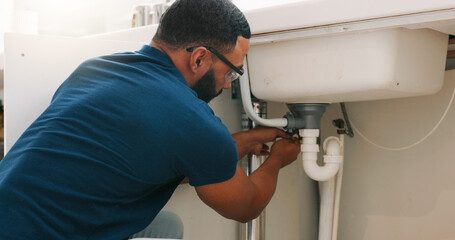
That mystery puddle under the water cooler isn’t just spilled coffee – it’s a leak. Commercial properties have more pipes and appliances than residential ones, so there are plenty of hiding places for drips and seepages. SFL Plumbing warns, “If you notice puddles forming under sinks, around appliances, or in unexpected areas, it’s time to act. Water leaks can lead to costly property damage”. Even a tiny pinhole leak in a wall or ceiling can slowly soak carpets, rot timber, or breed mould – and in a few days cause serious damage.
DIY detective tip: Check meter readings. A sudden jump in your water bill is a dead giveaway of a hidden leak. Commercial maintenance pros often spot leaks by tracking usage before visible damage appears.
Industry pros stress that small leaks snowball. A Bodenheimer Plumbing report explains how a minor drip “often starts small and is easy to overlook but can snowball into considerable problems”. On the Central Coast, the local water authority even reminds property owners that any leak or discoloured water issue must be handled by a licensed plumber.
So if you see an unexplained drip, don’t wait – call a Central Coast emergency plumber or maintenance team to locate the leak and fix it before hundreds of litres end up wasted or damaging your premises.
3. Dripping Taps & Running Toilets
You’ve heard the old saying: Every drip makes an ocean (or at least a big water bill). A continuous drip from a commercial bathroom tap may sound trivial, but multiply that by dozens of fixtures and hours of leaking, and it quickly adds up. Mr. Rooter Plumbing points out that “a faucet drips once per second, you will waste more than 3,000 gallons of water each year” (that’s over 11,000 litres!). CJ Brubacher also notes that a “little drip” can quietly inflate utility costs if ignored.
Likewise, a toilet that keeps filling or running wastes water by the bucketload. In busy restrooms, a worn-out flapper or valve can leave a toilet partially flushing all day. (One gurgling unit in your shop can flush hundreds of dollars down the drain each month.) These issues often have simple fixes (new washers, seals or parts) – but only a pro plumber should tackle them. Why? Because persistent drips almost always indicate worn-out fixtures or underlying pipe issues that need full attention.
- Pro Tip: Never ignore a leaky tap or loo. Apart from the hidden cost, continuous leaks can corrode fixtures and create mould. A commercial plumber will replace faulty parts and test nearby fittings to ensure you really stopped the leak.
4. Low Water Pressure & Weak Flow
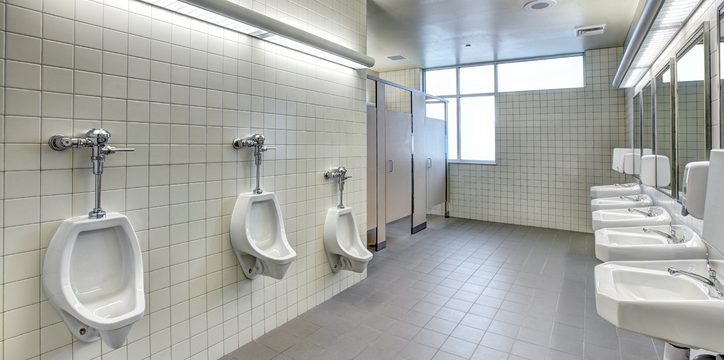
A commercial business on the Central Coast – think restaurants, gyms or salons – needs strong, reliable water flow. If water pressure suddenly feels weak (or inconsistent between taps), don’t chalk it up to “just the township.” Low pressure often signals a serious plumbing issue. It could be a partially blocked supply line, a failing pressure valve, or even a hidden main-line leak.
According to SFL Plumbing, “Low water pressure in your home or office isn’t just an inconvenience – it’s often a sign of a more serious plumbing issue. A clogged pipe or a broken water line could cause this problem”.
Even if the cause is something mundane like sediment in an aerator, it’s worth having a pro check it out. A commercial plumber will pressure-test the system, inspect pipes with cameras, and pinpoint the culprit. Mr. Rooter warns that neglecting pressure problems can strain pipes and sometimes even lead to bursts further down the line.
Quick check: If low pressure is isolated to one faucet or hose, it might be a local blockage. If it’s widespread (all sinks, showers, even your sprinkler system), consider it urgent. Call in a commercial plumber to prevent the next burst.
Quick Reference: Symptom vs. Cause vs. Action
| Symptom | Possible Cause | Action (Why Call Plumber) |
|---|---|---|
| Slow or blocked drains | Grease buildup, foreign objects, roots | Risk of backup/overflow; needs commercial drain cleaning. |
| Unexplained water leaks | Pinhole in pipe, loose joint | Prevent mould/floor damage; plumber finds and repairs leak. |
| Continuous drips/running toilets | Worn washers, valves, flappers | Waste of water (and money); quick fix by replacing parts. |
| Low water pressure | Scale buildup, broken pipe, hidden leak | Could indicate collapse or leak; plumber inspects/clears line. |
5. Discoloured or Rusty Water
Tap water in Australia should be crystal clear. If your coffee urn or taps start spitting out brown, yellow or orange tinted water, it’s a red alert for serious corrosion. As plumbing specialists explain, “discoloured water coming out of your pipes” often means rust is invading your system. Brown or reddish water may not always be immediately toxic, but it tastes foul and indicates pipe corrosion. Bacteria can even thrive in rusty water, posing health risks for staff and customers.
Central Coast Council specifically mentions discoloured water alongside leaks – if you see it, get a plumber. Don’t just tweak your sediment filter: a pro will trace the discoloration to its source. It might be old iron pipes, a failing hot water system, or tannins in a new water main. In any case, a commercial plumber can suggest whether to replace lines or flush the system.
In our harsh coastal climate, salt and soil conditions can accelerate pipe corrosion. If your business space is older (or fed by an aging mains network), be especially vigilant. Even a brief “coffee-coloured” flow from the hot tap should trigger a call.
6. Foul Odours or Sewage Smells
The wrong aroma wafting through your workplace can ruin customer appetites and morale. A sour, rotten or sewage-like smell from any drain or fixture is never normal. SFL Plumbing spells it out: “A foul smell coming from your drains or plumbing fixtures is a warning sign you shouldn’t ignore. These odors often indicate a buildup of waste, grease, or even a sewer line issue”.
Common offenders include build-ups of food waste in kitchen drains, gunk in floor traps, or – most seriously – a cracked sewer line or blocked vent. In cafés, restaurants and bars, grease traps are major culprits; once full, they can overflow and stink up the place. In offices and shops, a dry bathroom trap or cracked sewer pipe can let sewer gas into the room.
Whatever the source, don’t try masking it with air fresheners. The cure is to clear the blockage or repair the vent. A licensed commercial plumber will inspect your traps, vents and sewer line, using cameras if needed. Remember, even a small sewer backup in a wall can spread hydrogen sulfide gas. It’s safer (and often required) to have a professional diagnose it. After all, Central Coast guidelines classify overflows as plumbing problems to be fixed by a plumber, not covered by council.
7. Plumbing Emergencies (Burst Pipes, Floods)
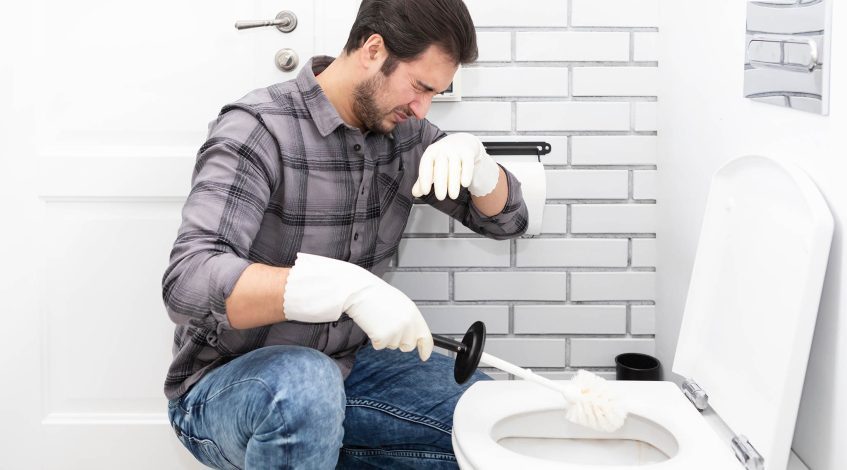
Finally, the last sign is screamingly obvious – but it happens more often than you’d like. A burst pipe, overflowing sewer or sudden flood is an emergency that needs an emergency plumber. By the time water is spewing from a wall or ceiling, waiting is not an option. Mr. Rooter’s experts put it plainly: in events like burst pipes or sewer backups, “you do not have the time to see if the problem will resolve itself… it is best to call a commercial plumbing service that offers 24/7 services”.
On the Central Coast, major storms or aging infrastructure can trigger these disasters without warning. When a pipe ruptures, every minute of delay means more water damage to your floors, walls and inventory. Keep a good commercial plumber’s number handy for exactly these moments – ideally one who advertises emergency plumbing Central Coast and 24/7 response.
Even the Central Coast Council notes that if sewer flooding happens, it’s your responsibility to engage a plumber immediately. So when the worst happens, don’t second-guess: call the professionals straight away.
Shut off the main water supply immediately if you see flooding. Then ring your emergency plumber. Quick action can save thousands on cleanup and repairs.
Conclusion & Next Steps
Don’t let these warning signs drown your business. A blocked drain, strange noise, odd smell or mystery flood is your cue to call a commercial plumber in the Central Coast – sooner rather than later. Remember, proactive commercial plumbing maintenance and early repairs save you from crippling downtime and costs.
If you recognize any of the issues above, act now: contact a licensed Central Coast plumber for an inspection or quote. Our experts can diagnose the problem, show you the fix, and get your water working perfectly again. After all, on the Central Coast, we’d rather ride the wave than sink under it!
Don’t wait for the next drip to become a deluge – get in touch with a qualified commercial plumber today for fast, friendly service and a free quote. Your business (and your peace of mind) will thank you.
FAQs
What is a commercial plumber?
A plumber who handles plumbing systems in businesses, not homes—think offices, cafes, schools, and shopping centres.
How is commercial plumbing different from residential plumbing?
It’s bigger, more complex, and must meet stricter codes and safety standards.
How much does a commercial plumber cost in Central Coast?
Rates vary, but expect $100–$180+ per hour, depending on the job complexity and urgency.
Are commercial plumbers licensed in Australia?
Yes. They must be licensed by Fair Trading NSW and follow local council plumbing codes.
When should I call a commercial plumber?
When you spot leaks, blockages, water pressure issues, or anything smelly or strange—don’t DIY it.