Imagine stepping into your morning shower on the NSW Central Coast, only to be greeted by a freezing trickle instead of that luxurious hot blast. Yikes! If your hot water system has finally thrown in the towel, you’re probably asking, “How much is this going to cost me?” Replacing a hot water heater system is a big job that varies in price.
In this guide, we’ll walk through all the factors: types of systems, typical price ranges, installation fees, government rebates, and smart tips to save money – all in plain English and with a friendly nod to your budget. Let’s dive in…
On the Central Coast of NSW, a reliable hot shower is as essential as your morning cuppa. But when the tank blows, the repair costs can send shivers down your spine (even before the cold shower!). The good news is that by understanding the options and doing a bit of homework, you can get the best value. We’ll start by looking at the main types of hot water systems, since the choice of system drives most of the cost.
Types of Hot Water Systems
Australian homes typically use one of several hot water system styles, each with its own price tag and perks. Here’s a quick rundown:
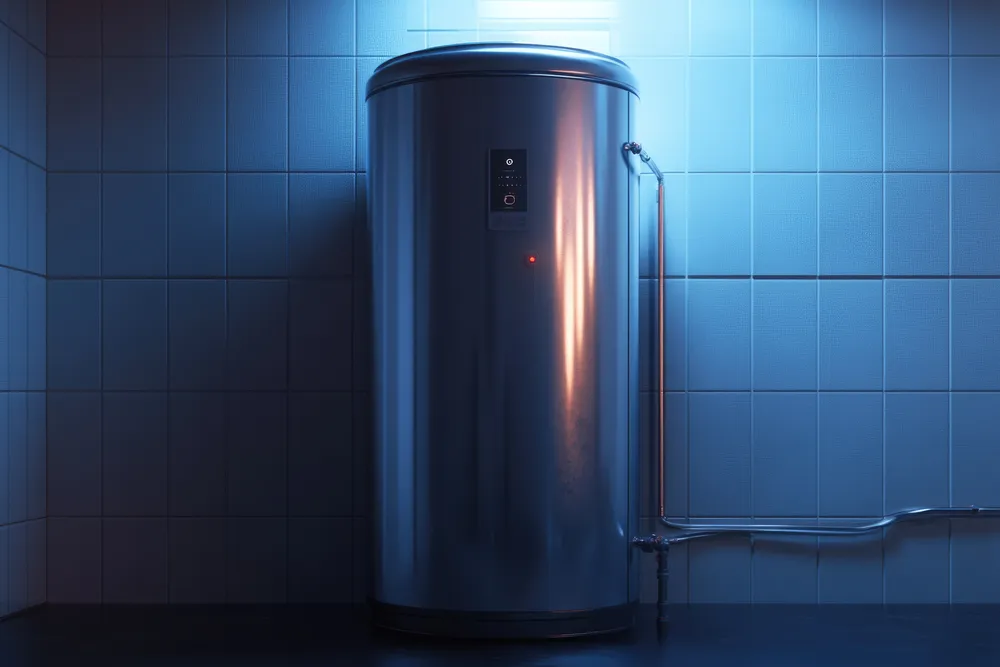
- Electric Storage (Cylinder) Systems: This is the classic backyard tank – a big cylinder that heats and stores water. They’re usually the cheapest to buy and install upfront but cost more to run. In NSW, you might be on an off-peak or economy tariff. An electric cylinder could cost around A\$1,000–2,000 installed. (Smaller units and off-peak tanks tend toward the lower end.)
- Continuous Flow (On-Demand) Systems: These compact heaters (often gas-powered) heat water only when you need it, so there’s no tank. They’re pricier up front – installation alone can be a few hundred dollars – but you don’t run out of hot water. Expect roughly A\$1,500–2,500 for a like-for-like swap to a gas continuous-flow system. They heat fast and save running cost if you have natural gas connected.
- Gas Storage Systems (LPG or Natural Gas): Similar to electric tanks but use gas. If you have mains gas, these run cheaper than electric to operate. A 125–170 L gas system might be around A\$1,500–2,500 installed. (LPG bottle systems cost a bit more because of cylinder exchange logistics.)
- Solar Hot Water Systems: These have roof collectors plus a tank. They’re the priciest to install (often A\$3,000–7,000), but government rebates and years of lower power bills can pay them off. If you live on the sunniest side of the Central Coast, a solar system can be a smart investment.
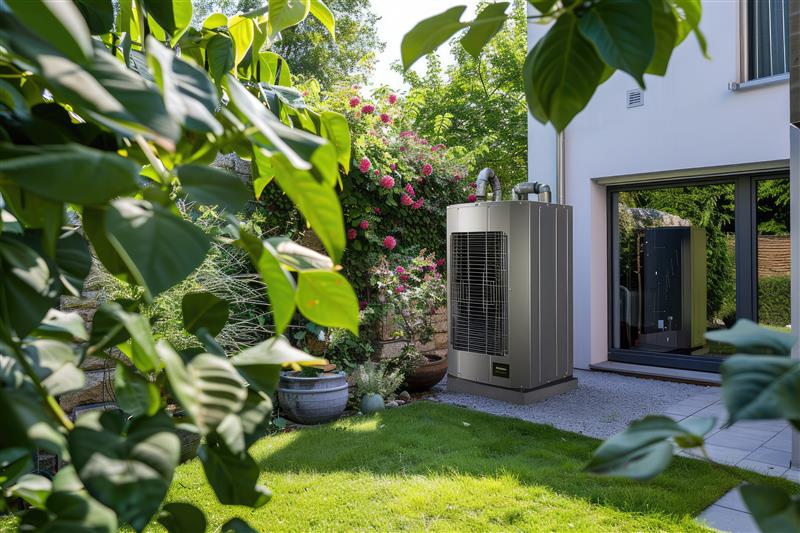
- Heat Pump Systems: Air-source heat pumps are like giant reverse-cycle air conditioners for hot water. They’re more expensive upfront (around A\$2,500–4,500 installed) but very energy-efficient. They quietly steal heat from the air to warm your tank. In Central Coast’s mild climate, they can really cut power bills over time.
Each type has pros and cons. For instance, electric cylinders are simple and cheap to install (especially if you already have one in place), but they use more electricity. Gas systems heat water super-fast and can run on cheaper fuel, but you need a licensed gas plumber to install them. Solar and heat pump models lower your emissions and bills long-term, but require a bigger initial spend and sometimes extra roof work or panels.
What Influences Replacement Cost?
The total cost to replace your hot water heater on the Central Coast depends on lots of factors beyond just system type. Here are the key ones to watch:
- System Size and Capacity: Larger tanks cost more. A 315 L cylinder is pricier than a 125 L one. As a rough guide, each person in a household needs ~50 L of hot water per day. More people or a spa bath usually means a larger tank – and a higher price.
- Installation Complexity: A simple “swap” is cheapest. If the new unit goes in the exact same spot with existing plumbing, it’s a quick job. In fact, a straightforward replacement (same size, same fuel) can often be done in 2–3 hours with labor around A\$220–660. But if you change the location or fuel type (say, switching from electric to gas, or adding solar panels), the costs skyrocket. For example, switching to a solar system or relocating piping can add A\$1,500–3,000 in extra work.
- Removal of Old Unit: Not all plumbers include old-unit disposal in their quote. Some assume you’ll take away the ancient tank yourself (it’s heavy and awkward). As a rule, double-check if the quote includes disposal. If not, you may pay extra – and it’s easy to overlook.
- Travel and Accessibility: If you live far out on the coast, or if the heater is hard to get to (e.g. in a roof cavity or up a ladder), expect extra fees. On the Central Coast, some installers may charge a “call-out” or travel fee if your suburb is far from their base. Also, tricky access (tight crawl spaces, multi-storey) can slow the job and cost more.
- Local Labor Rates: Labor rates on the Central Coast can be slightly lower than Sydney city, but skilled plumbers are still in demand. Because there are fewer big metropolitan installers, local plumbing companies sometimes charge a premium, especially for emergency or out-of-hours service.
- Regulatory Requirements: All gas and plumbing work must be done by licensed tradespeople. In Australia, you must have a credentialed plumber to touch a hot water system. It’s illegal (and dangerous) to DIY a heater replacement unless it’s a very simple electric job, and even then insurance concerns are real. This licensing helps ensure safety, but it also means labor costs reflect professional pricing.
- Brands and Warranty: Top-brand systems (Rheem, Rinnai, Bosch, etc.) often carry higher upfront costs but may last longer and have better warranties. A bargain-brand tank might cost less now but could rust out sooner. Think of it like buying shoes: you can grab the cheapest pair or spend more on something that will last longer.
- Home Design: If your home needs additional fittings – say, new gas lines, flues, or structural work to support a solar tank – the installer will factor that in. For example, some solar installations need extra roof strength or brackets, which bumps up cost.
- Season and Demand: Prices can vary by season. For instance, plumbers are busiest in winter (when heater failures spike) and summer (when everyone wants solar hot water). Off-peak seasons like spring or autumn might yield slightly better quotes.
In short, there is no one-size-fits-all price. But to give a ballpark: a typical electric or gas tank swap on the Central Coast will often fall somewhere around A\$1,000 to A\$2,500 all up, including installation. Government data agree: “getting a new hot water system usually costs between \$1,000 and \$2,500”. More efficient systems (solar or heat pump) start higher – often double that – but come with rebates and long-term savings.
Sample Price Ranges by System Type
To clarify the numbers, here’s a quick table of typical replacement costs (supply + professional install) for each major system, as of 2024–25:
| System Type | Typical Replacement Cost (incl. installation) |
|---|---|
| Electric Storage | ≈ A\$1,000 – A\$2,000 (125–315 L tanks) |
| Gas (mains/LPG) | ≈ A\$1,500 – A\$2,500 (125–170 L tanks) |
| Solar (collector+tank) | ≈ A\$3,000 – A\$7,000 (after rebates) |
| Heat Pump (air-source) | ≈ A\$2,500 – A\$4,500 |
| Continuous Flow | ≈ A\$1,000 – A\$3,000 (gas or electric, depending on brand) |
These are broad ranges – your quote may land above or below based on options. Note the solar range is “after rebates,” meaning government incentives can offset the list price.
For example, a basic 125–160 L electric tank install might come in around A\$1,300–1,700 (as seen with some local Central Coast suppliers), while a 260 L heat-pump model could be A\$3,500 or more. And if you choose a giant industrial solar system, you could see quotes into the tens of thousands (though that’s rare in a typical home).
Converting from an old storage tank to a tankless continuous-flow system can increase costs. If you switch types (say from electric to solar), expect extra labour – sometimes adding over A\$1,500–3,000 for the work.
Installation and Extra Fees
When budgeting, remember that installers often charge separately for labour on top of the unit price. A plumber’s quote typically includes: the new heater itself, removal of the old one, any parts (pipes, valves, supports), and their labour. Here are some cost components:
- Basic Installation Labour: For a simple swap, plumbers on the Central Coast might charge \$220–\$660 for a few hours’ work. That covers removing the old heater, hooking up the new one, checking safety (gas flue, pressure valves), and testing.
- Complex Jobs: More involved work – like adding a new flue, reinforcing a roof for solar panels, or running new gas lines – can easily push labour into the thousands. One trade source notes that complex installations like solar systems may take “a couple of days” and cost an additional \$1,500–3,000 beyond the basic quote.
- Testing & Compliance: Many installers include final safety checks (like a Tag & Test for electrical work) in their price. For gas systems, a plumber must issue a Gas Compliance Certificate after installation. These are required by law but are usually rolled into the service cost, not charged separately by good tradespeople.
- Disposal of Old System: As mentioned, not all quotes cover hauling away your ancient tank. Sometimes companies will offer a disposal service for a small fee, or include it as part of the deal. If unclear, ask. “A lot of customers overlook old-unit disposal,” notes a plumbing source, and “it’s not always part of the service”.
- Permits and Fees: Unlike bigger renovations, simply swapping a hot water system usually doesn’t need council permits in Australia (unless you’re extensively rewiring your house). But if your upgrade involves structural work (e.g. mounting heavy tanks on the roof), a permit might be needed. Ask your installer if any paperwork is required.
- Call-Out Charges: Emergency or after-hours jobs often carry a premium (sometimes double-rate). Since hot water usually breaks unexpectedly, beware booking a weekend or holiday slot unless necessary. Normal business-hours installations are much cheaper.
- Warranties: Most new systems come with at least a 5–10 year warranty on the tank or unit. Plumbers often warrant their labour for a year or so. Choosing quality brands might cost more up front, but it buys peace of mind and reduces the chance of needing service calls that add to life-time cost.
Government Rebates & Incentives
Great news for Central Coast homeowners: both state and federal schemes can shave hundreds off the replacement cost, especially if you choose efficient models.
- NSW Energy Savings Scheme (ESS): The NSW government offers upfront discounts when you replace an old electric or gas water heater with a modern solar-boosted or heat-pump system. For instance, replacing an electric heater with an air-source heat pump earns a \$400–\$670 discount, and swapping gas for a heat pump gives \$190–\$310 off. Essentially, the installer deducts this from your final quote if the criteria are met. (The exact amount depends on your chosen model and the installer.) These schemes are designed to make greener options more affordable.
- Federal Small-scale Renewable Energy Scheme (STCs): Beyond NSW, the Australian Clean Energy Regulator allows eligible solar hot water and air-source heat pump systems to generate Small-scale Technology Certificates (STCs). In practice, this means you can sell or assign these certificates to a provider in exchange for a rebate on the system price. Most buyers simply get a discount at purchase. STC values fluctuate (currently worth a few hundred dollars for many systems) but effectively reduce the sticker price of solar/heat-pump hot water.
- Other Local Incentives: Keep an eye out for any local council or utility rebates. While NSW is the main player for hot water rebates, sometimes regional councils or power companies run their own programs (e.g. free home energy audits or discounts on energy-saving appliances). The NSW government also provides a quick online Rebate Finder tool for updated offers.
In short, don’t assume you’ll pay full retail. Always ask your installer if they include the NSW hot-water rebate and if the chosen model qualifies for STCs. These incentives can make a big dent in the bill – sometimes several hundred dollars off the peak price. Just remember, to snag these savings you generally have to buy an approved energy-efficient system from a registered installer.
Tips to Save on Hot Water Heater Replacement Costs
Here are some savvy tips to keep your wallet warm (while your water is hot):
- Compare Multiple Quotes: Get at least 2–3 quotes from licensed plumbers or hot water specialists. Prices can vary significantly. Be wary of quotes that seem “too cheap” – they might cut corners (no disposal, cheaper fixtures, etc.).
- Bundle Work: If you’ve been putting off other plumbing upgrades (new taps, fixing leaks, installing a booster pump, etc.), see if you can combine jobs. Many plumbers give a better rate if multiple tasks are done in one trip.
- Off-Peak Deals: Some companies run promotions in spring or early summer when demand is lower. If your current heater barely works rather than fully broken, consider scheduling the replacement in a “shoulder season” for potential savings.
- Shop the Unit (Carefully): If you’re handy with research, you might find the heater unit (the tank or heat pump) cheaper online or at a supplier sale than the plumber’s markup. However, any price break can be offset by installation risk: make sure the model you buy has local support, and that your plumber is willing to install your purchased unit (some prefer using their own stock for warranty reasons).
- Energy Rating: Look for a good energy star rating on the new system, especially for gas or electric models. A higher-rating heater might cost a bit more up front, but it will save money on your bills over its lifetime.
- Ask About Rebates: Seriously. Remind the installer about NSW and federal rebates. If they forget, you could lose out on hundreds of dollars in savings.
- Proper Disposal: If you want to save the few dollars some companies charge, check if your old tank can be dropped at a local metal recyclers. However, for big tanks (150+ L), the transporter is heavy – often the installer’s waste fee might be worth it for the convenience.
- Maintenance Mindset: While this is about replacement, remember that regular servicing (flushing tanks, checking anodes) can prolong the life of your system. If your tank is “only” 8 years old and acting up, sometimes a service can buy you a couple more years of use while you save for the full replacement.
- DIY Sweet Spot: We strongly advise leaving the installation to professionals. But if you have plumbing skills and an electrician in the family, you might save a bit by swapping out a like-for-like electric tank yourself (except you’d still need a compliance certificate). Tread carefully: even an electric job has safety and warranty implications. When in doubt, hire it out.
- Seasonal Timing: In summer, solar-hot-water systems often get bundled with other solar installs, which can reduce labour costs. In winter, plumbers may have more spare slots (though appliances often fail in winter!), so negotiation is possible.
Remember: cheapest upfront isn’t always best long-term. A shoddy install could leak or fail quickly. Focus on qualified trades, read reviews, and verify licenses. A good installation by a reputable plumber is money well spent for a safe, lasting system.
Conclusion
Replacing your hot water heater on the Central Coast doesn’t have to feel like navigating a minefield. Now you know the landscape: from system types and their price ranges, to extra costs and rebates that can soften the blow. In short:
- Expect to pay roughly A\$1,000–2,500 for a basic electric or gas tank swap.
- Opting for solar or heat-pump? Budget a few thousand more up front, but remember the NSW incentives can knock hundreds off the quote.
- Get multiple quotes and ask about everything. Verify what’s included (installation, removal, certificates) and what’s not (disposal fee, extra fittings).
- Plan for the long run. A slightly higher upfront cost for a quality system often pays for itself in years of reliable hot showers and lower bills.
You can also consider reaching out to Local Central Coast plumbing services that specialize in hot water systems. They’ll know the best models for our climate and can apply all relevant rebates. If you’re feeling overwhelmed, start by calling a few providers and asking for a free quote – many companies will even give you an estimate over the phone or via a quick site visit.
At the end of the day, the cost may sting a bit, but it’s an investment in comfort. With a solid understanding of prices and a bit of smart shopping, you can get back to enjoying hot showers without burning a hole in your wallet. Stay warm, stay informed – and when you step into that nice hot shower again, you’ll know it was worth it.
Frequently Asked Questions
What’s the cheapest type of hot water system to replace on the Central Coast?
The most affordable option is usually a standard electric storage tank, especially if you’re replacing an existing electric system with the same size and type. These systems typically cost A$1,000–2,000 installed. They’re cheaper upfront but have higher ongoing energy costs compared to gas, solar, or heat pumps.
Are there rebates for replacing an old hot water system in NSW?
Yes, the NSW Energy Savings Scheme (ESS) and the federal Small-scale Renewable Energy Scheme (STCs) provide rebates for installing energy-efficient hot water systems like heat pumps and solar hot water heaters. Discounts can be worth hundreds of dollars, and most installers apply these rebates directly to your quote.
How much does it cost to switch from an electric hot water system to solar or heat pump on the Central Coast?
Switching to a solar hot water system typically costs A$3,000–7,000 installed (after rebates), while a heat pump system runs A$2,500–4,500 installed. These costs include government rebates but vary depending on the brand, installation complexity, and your home’s setup.
How long does it take to replace a hot water system?
For a straightforward replacement of the same type (e.g., electric to electric or gas to gas), most plumbers on the Central Coast complete the job in 2–3 hours. More complex upgrades (e.g., switching from electric to solar or heat pump) may take 1–2 days, depending on roof work, electrical upgrades, or plumbing changes.