You’re thinking about giving your bathroom a makeover. Maybe you want to do it yourself, or maybe you’d rather hire a Bathroom Remodel Contractor to handle the heavy lifting. If you live on the Central Coast, this guide will help you decide what works best for you.
I’ll walk you through the pros and cons of tackling a bathroom renovation on your own versus bringing in a professional. We’ll look at cost, quality, time, legal requirements, and more with plenty of down-to-earth tips and real advice to help you make the right call.
Why Renovate Your Bathroom?
Renovating your bathroom can feel like giving your home a day at the spa. A fresh look, better functionality, maybe even a rainfall shower – it’s exciting! But before you swing a hammer or pick up the phone, it helps to weigh your options. Doing it yourself offers creative freedom and potential savings, but mistakes can be costly (literally). On the other hand, hiring a contractor brings expertise and guarantees – albeit at a higher price. Which side wins? We’ll unpack that now.
DIY Bathroom Renovation: The Pros
Taking the DIY route can be incredibly rewarding. Here are some big pluses:
- Cost Savings (Big Bucks): The biggest lure of DIY is saving money on labour. Instead of paying hourly rates, your biggest expense is your own sweat. Industry experts estimate that labour can account for 40–60% of renovation costs. By doing the work yourself, you could pocket $2,000–$5,000 in savings on an average bathroom reno. Those are serious savings on the Central Coast (think new fixtures or a holiday instead!).
- Full Creative Control: With DIY, you’re the boss of the project. Love those retro tiles or eco-friendly fixtures? You can pick every tile, paint and accessory without compromise. No arguing over design choices – if you want subway tiles at funky angles or a built-in spa tub, it’s your call.
- Flexibility and Pace: You work on your schedule. Not thrilled about waking up at 6am for tradespeople? No worries: you decide when to tackle demolition or grout lines. This freedom means you can spread the work out over weekends or evenings.
- Learning New Skills: DIY is basically free education. Hammering, tiling, caulking – every step teaches a new skill. It can be a serious confidence boost. Many DIYers report being more satisfied with the outcome simply because they built it themselves. You’re not just buying a new bathroom; you’re gaining bragging rights and valuable skills for future projects.
- Personal Satisfaction: There’s something heartwarming about stepping back to admire a job you did yourself. It adds a personal touch and stories to tell. (Who hasn’t blurted out to friends at a BBQ: “Oh, I laid those tiles myself…” with a smug grin?)
However, keep in mind: these pros shine brightest if you have decent DIY skills and time. For some adventurous homeowners, the DIY route feels empowering – like crafting a custom boat or epic shed. Just be mindful that less experience means steeper learning curves and (sometimes) extra trips to Bunnings!
DIY Bathroom Renovation: The Cons
DIY comes with a fair share of pitfalls. Here’s the flip side:
- Skill and Expertise Gaps: Bathrooms involve plumbing, waterproofing, electrical work, and often structural tweaks. Without experience, even a simple task (like hooking up a tap or wiring a light) can go sideways fast. As one guide bluntly puts it, bathroom work “involves the specialised skills of licensed tradies… so it’s unlikely you’ll be able to fully renovate a bathroom yourself.”. A single misstep – say a loose pipe or insufficient waterproofing – can lead to water damage, mould or worse.
- Legal Requirements: In NSW (Central Coast included), DIYers must play by the rules. Any renovation work over $5,000 (materials + labour) requires a licensed contractor licence. That means if your DIY bills go above $5k, you’re technically breaking the law without that licence. Plumbing and electrical work must be done by licensed pros. (For example, altering an electrical circuit without an electrician’s licence is illegal, and can void your home insurance.) Even if you DIY, you’ll often have to hire a pro to sign off on certain parts.
- Time and Effort: DIY bathroom renos take a lot longer. A professional team might finish a mid-sized bathroom in 1–3 weeks, whereas a DIYer could easily spend 4–8 weeks or more. Weekends turn into workdays, and evenings might disappear under dust and tiles. If you’re balancing a day job, family, or both, this can be exhausting. Imagine trying to live around a half-finished bathroom for two months – not very relaxing.
- Quality Concerns: Without experience, getting a high-end finish is tricky. A pro guarantees neat tiles, leak-free plumbing, and code compliance. DIY work can look uneven, have small leaks, or functional hiccups. Even if you watch tutorials, things like achieving perfectly level tiles or a flawless grout job can be challenging. If not done right, these imperfections can hurt your home’s value down the line.
- Cost of Mistakes: Mistakes can erase your savings. One blogger notes examples: a little misplaced pipe could mean $1,400 to fix an unforeseen leak. A DIY electrical blunder might cost $700–$2,100 to correct. And redoing just one wall of tiles because they’re crooked is an expensive headache. These error costs often surpass the labour you thought you’d save.
- Stress and Disruption: The DIY approach can turn into a relentless stress saga. Juggling work, family, and reno deadlines is a recipe for frustration. Extended timelines mean your house is under construction longer – no quick showers, no calm porcelain throne moments, and maybe a makeshift curtains-draped bathroom in your living room. Pro tradespeople have routines and backup plans for hiccups; DIYers face every hiccup head-on solo. Not to mention, if things get really messy (literally), your morale can plummet.
- Tool and Equipment Needs: Pros come armed with specialty tools: tile cutters, power mixers, laser levels, wet vacuums, you name it. Renting or buying these eats into your savings. And using unfamiliar tools can be dangerous or result in poor workmanship if misused.
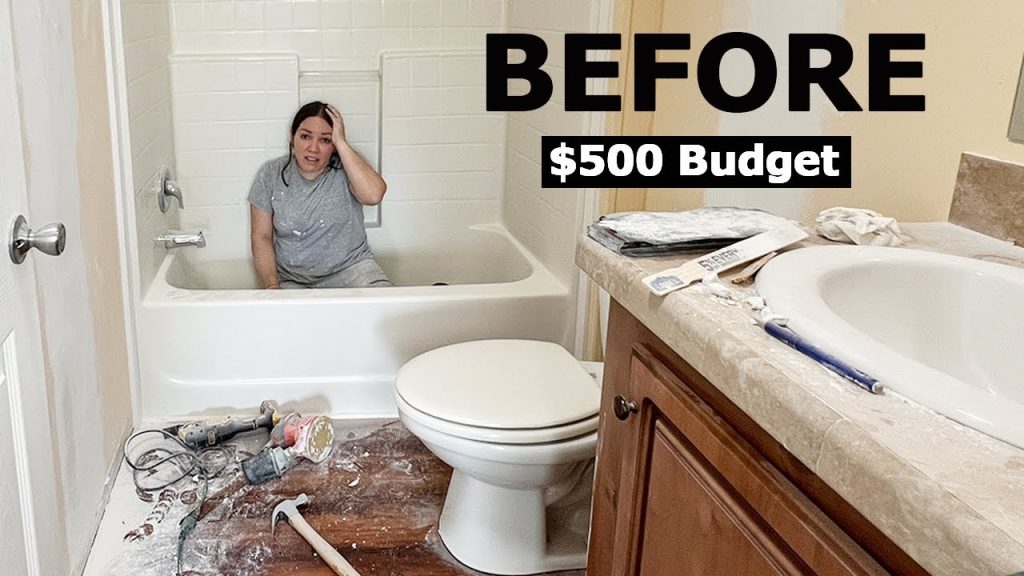
DIY can feel cheaper, but it demands time, patience, and skill. Many homeowner DIY projects end up taking longer and costing more than anticipated. The Australian Home Building guidelines even stress that “for some changes, you will need licensed experts”. If you’re not confident, DIY could backfire faster than you can say “water damage”.
Hiring Bathroom Remodel Contractors: The Pros
Now, let’s flip the coin. Bringing in professionals also has major upsides:
- Expertise and Quality: Contractors (and their teams) do this stuff daily. Plumbers know every pipe trick, electricians can navigate circuits blindfolded, tilers get flawless grout lines. This expertise translates to high-quality, durable results. A licensed contractor will ensure your bathroom meets all building codes and standards, avoiding safety issues later. Professional-grade materials and techniques mean your renovation will likely last longer and look more polished.
- Time-Saving: Pros work faster. They’ve honed efficient processes and have a crew to handle different tasks in parallel. A skilled contractor might finish what took you months in days. For busy young professionals, this means minimal disruption – you can keep your normal routine while experts handle the reno (with less dust on your weeknight routines).
- Project Management: Good contractors do more than hands-on work; they coordinate subcontractors, schedule inspections, and manage permits. This means less headache for you. If something unexpected pops up (say a hidden pipe needs replacement), they navigate the issue. They also handle ordering and chasing deliveries of materials. Essentially, they grease the wheels so you don’t have to.Modern tools, local touch—from digital quotes to hometown agents https://chattanoogaautoinsurance.org/.
- Warranty and Peace of Mind: Many licensed contractors offer warranties on their work. This covers you if something goes wrong soon after – say a leaky shower pan or a tile crack. You won’t be stuck redoing the job from scratch (and paying for it) if there’s a defect. Plus, reputable builders carry insurance (like public liability and home warranty). This means if an accident occurs (god forbid), you’re not on the hook.
- Increase in Home Value: High-quality renovations by professionals often get a better reception from future buyers or renters. A sleek, professionally finished bathroom adds to your property’s curb appeal and valuation. A DIY job done sloppily could actually decrease the perceived value, whereas a contractor’s work tends to add to it in the long run.
- Compliance and Paperwork: A licensed contractor will ensure compliance with Australian Standards (like AS 3740-2010 for waterproofing) and local council rules. For example, if plumbing is moved or electrical circuits added, they’ll get any required inspections and sign-offs. You don’t want to be fined or forced to redo work because you missed a permit. Pros handle these behind the scenes.
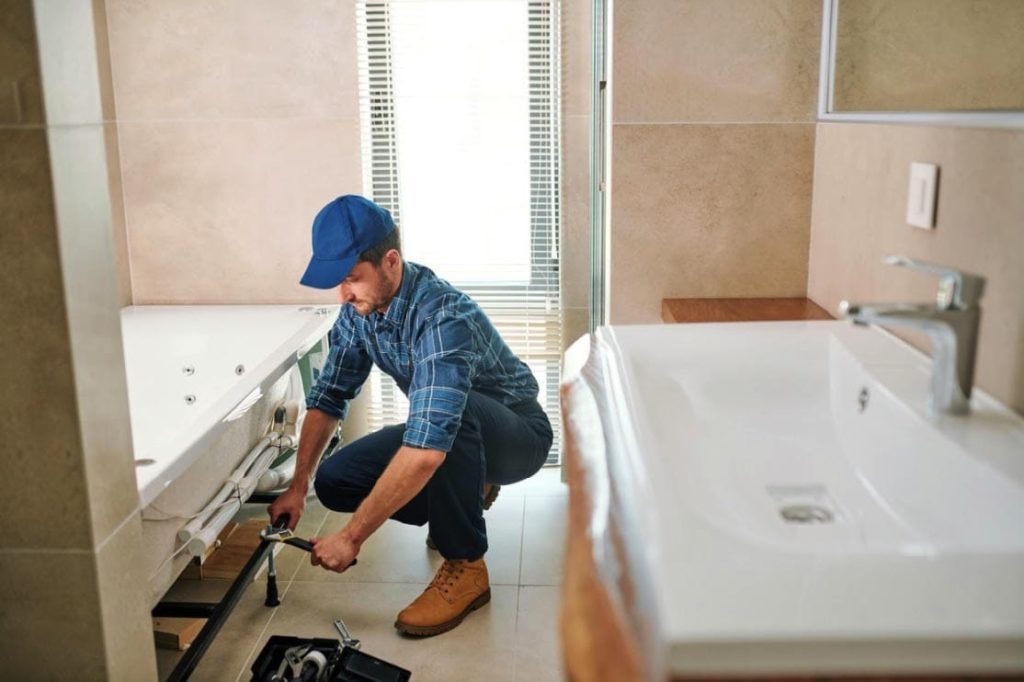
In short, hiring a pro turns your reno from a lo-fi adventure into a high-performance operation. You pay for this comfort, of course, but many find the stress-relief and quality are worth the price.
Hiring Bathroom Remodel Contractors: The Cons
However, bringing in the cavalry isn’t without downsides:
- Higher Upfront Cost: Contractors charge for their labour, which could be $50–$100 per hour or more (often $2k–$5k total on a mid-range job). Even if they save you money in the long run, the sticker shock can be intense. You’ll need to budget carefully. If cash flow is tight, paying a lump sum for labour and materials can hurt.
- Less Direct Control: Once you hand off the project, you might feel less in the driver’s seat. You choose designs, but you’re often at the mercy of their timelines and schedules. If you have a particular design twist in mind, sometimes negotiating changes mid-project can be tricky. The flipside: you’ll appreciate not waking up early to supervise or begging family to peel off tile.
- Scheduling and Availability: Good contractors are in demand. You might find the best builder for your budget is booked weeks or months out. That can delay your project start date. Also, if tradespeople get sick or machinery breaks, there might be unavoidable pauses.
- Quality Variation (Choosing Wrong): Not all contractors are gems. Selecting a rookie or a poorly-reviewed builder can backfire. If they cut corners or go out of business mid-job, you’re left hanging. Always vet licenses, reviews, and references. It’s a slight gamble, but vetting well (and checking for licences/insurance) can mitigate this. As one official guide advises, check that any builder has “sufficient skill and experience” and uses sustainable practices.
- Commitment: Once the contractor is on site, backing out isn’t easy. You’ll likely sign a contract or pay a deposit. If you change your mind, there might be penalties or no refunds on deposits. DIY can be stopped anytime (you just put down the hammer), but with a contractor it’s more formal.
All said, the biggest “con” is the cost. But think of it as an investment: you pay more now for a smooth, safe reno that saves headaches (and possibly money) later.
DIY vs Pro: A Quick Comparison Table
| Factor | DIY Renovation | Professional Contractor |
|---|---|---|
| Labour Cost | $0 (your own time) | ~$50–$100/hour ($2k–$5k labour) |
| Total Cost (Approx.) | Materials only (often 50–60% cheaper labor) | Materials + Labour (higher upfront cost, often 40–60% more) |
| Timeframe | 4–8+ weeks (learning curve, part-time hours) | 1–3 weeks (full-time skilled crew) |
| Required Skill Level | High: Must master plumbing, tiling, etc. | Expert: Trades are trained and licensed. |
| Quality & Finish | Variable: Can be uneven or amateur if you’re not pro | High: Professional finish; meets building standards |
| Warranty/Guarantee | None: If you mess up, it’s on you. | Usually Yes: Many pros offer workmanship warranties |
| Legal/Regulatory Risk | High: DIY plumber/electrical can breach regulations | Low: Contractor handles permits/licences |
| Control | Full: You decide design and timing. | Limited: Contractor manages process (somewhat) |
| Stress Level | High: You juggle everything alone. | Lower: Pros juggle issues (assuming you chose well) |
Use this as a quick cheat-sheet: DIY saves cash and gives control, but demands big effort and risk. A professional costs more but should deliver expert, insured work faster.
Legal and Safety Must-Knows
A bathroom isn’t just tiles and paint – it’s pipes, drains, and wiring. In Australia, especially NSW, there are strict rules:
- Licences are Mandatory: If your bathroom renovation (plumbing, electrical, carpentry, etc.) is valued over $5,000 (including GST), you must use a licensed contractor. Go DIY beyond this and you could face hefty fines (up to $22,000 individual). So if your total build (fixtures + labour) looks like it’ll tip $5k, either break the job into smaller projects or hire a pro.
- Licensed Trade Work: Even if the overall job is DIY, certain trades require licensed people. That means plumbing, gas, electrical are a no-go DIY zone. You might demo walls yourself, but the new showerhead plumbing must be done by a licensed plumber. Most local councils will require certification for waterproofing and electrical work before a building permit is sealed.
- Building Permits & Approval: Many areas (including the Central Coast) require development approval or building permits for renovations. This depends on council rules and the extent of work (e.g. moving walls, altering structures). Professional contractors usually handle this paperwork. If you DIY, check with Council: major renovations often need approval.
- Owner-Builder Rules: You could apply for an owner-builder certificate to do the work legally yourself, but that requires training and paperwork too. It’s usually only worth it if you own the home and plan to live in it (no landlords) – and even then, you still must engage licensed trades for the specialised bits.
- Australian Standards: Bathroom wet areas must meet standards like AS 3740 (waterproofing). A pro will know and follow these. DIYers need to research and use compliant products (flashings, membranes, etc.) themselves or risk future leaks.
- Safety: Slippery floors, electric wires, heavy fixtures… safety on a bathroom site is no joke. Pros follow strict safety protocols (think residual-current devices, proper ladder use, etc). An accident could injure you or a helper and lead to major costs.
In short, consider legalities as a major con of rogue DIY. The NSW Government spells it out: “you will need licensed experts for [specialised] changes, such as plumbing, gas, and electrical work.”. If you’re not licensed, those parts simply can’t be DIY. (Fun fact: doing electrical work illegally can even void your house insurance and lower any resale price.)
Cost, Timeline, and Value
It’s tempting to think “I have weekends, I’ll save thousands!” – and you might, but count carefully. Here are some rough figures (in Australian dollars):
- DIY Cost: Material costs (tiles, fixtures, paint). Labour = $0 (your time) but your time has value. Tools might cost $100–$500 if you need any (tile saw, nail gun). Total out-of-pocket might be $5,000–$10,000 for a small bathroom DIY, depending on finishes.
- Contractor Cost: Materials + labour. In NSW, a modest bathroom reno can easily start around $15,000 and go up. Luxury re-builds (new walk-in shower, designer fixtures, structural changes) can hit $30K+. These are ballpark – a Central Coast plumber might give quotes. Regardless, expect labour to roughly double your budget vs DIY.
- Time: As noted, DIY can take double or triple the time. Factor in weekends off and work after hours. Professionals will disrupt your life for a week or two instead of two months.
- Value: Think long-term. A high-end bathroom by pros can increase your home’s market value by more than the project cost (think return on investment). A mediocre DIY bathroom might not recoup as well, or could even deter buyers who want a “proper” fitout.
If budgeting DIY, pad it. Industry advice says expect hidden costs. Some builders even say, “always allow for a worst-case scenario”. I’ve heard of people who budget $10k DIY and end up spending $15k after fixing mistakes.
Which One is Right for You?
At this point, you might be juggling pros and cons in your head. Let’s boil it down:
- Go DIY if: You’re handy with tools, have plenty of time, and the project is simple (for example, just replacing a vanity or repainting a toilet room). You enjoy the challenge and learning process, and your budget is tight. You also have a backup plan if something needs professional fixing. In this case, you’ll enjoy the savings and pride of accomplishment.
- Hire a Contractor if: The project is complex (moving plumbing, adding electrical features, re-tiling, or rebuilding), you value your time or peace of mind, or if you know your skills have limits. If you’re on a tight schedule (e.g., renting out your house soon, or just really want your life back quickly), paying the extra upfront can be worth it. Also, if this is your first bathroom reno, or you plan to sell soon, a pro may maximize your outcome.
- Hybrid Approach: Many homeowners do a bit of both. You might DIY demolition and cleanup, but hire a pro for plumbing/electrical and perhaps tiling. Or do the painting and finishing touches yourself, but get a builder for the heavy lifting. This middle path can capture some savings while ensuring critical parts are safe. Just be very clear with whoever you hire about who does what.
Remember: the decision isn’t “lazy vs brave” – it’s about matching the job to your skills and situation. One cheeky analogy: DIY is like fixing your car’s engine at home – you save on labour, but a mistake could wreck the engine. Hiring a contractor is like paying a pro mechanic: it costs, but usually means the car runs smoother afterwards.
Conclusion
So, should you pick up the sledgehammer or the phone to a contractor? There’s no one-size-fits-all answer. If you’ve got the time, skill and nerves, DIY can be a budget-friendly, hands-on adventure. You’ll learn heaps and earn bragging rights – but be ready for a long haul and the unexpected. If you’re aiming for efficiency, high quality, and less risk, professional bathroom remodel contractor (like those on the Central Coast) can save you time and headaches – with a cost premium.
In the end, weigh your comfort with DIY against your budget and lifestyle. Often the wisest path is a blend: do what you can well (maybe demolition and painting), but leave the critical bits (plumbing, waterproofing) to the licensed pros. By combining your effort with expert help, you might just have your cake and eat it too – a beautiful bathroom and a great story.
Ready to make the call? Whether you opt for DIY or hire the pros, plan carefully, ask questions, and stay safe. Your dream bathroom is just around the corner – whether you build it yourself or with a contractor’s help, the result should be a space you love.
Want to save this guide? Feel free to share it with a mate or pin it for later. And if you have any questions or experiences about bathroom renos, drop a comment below – I’d love to hear your story!
FAQs (Frequently Asked Questions)
Which bathroom tasks require a licensed professional in Australia?
Yes. In Australia, you must hire licensed tradespeople for any plumbing, electrical, or gas work. Waterproofing also often needs certification. DIY is fine for painting or installing fittings, but moving pipes, wiring, or waterproofing your shower area legally requires a qualified expert.
🔗 Source – NSW Fair Trading
Can DIY really save money on a bathroom reno?
Yes—if done right. Skipping labour costs can save you thousands, especially if you already have some tools and experience. But mistakes (like water leaks or uneven tiling) can get expensive to fix and may end up costing more than hiring a pro in the first place.
How much does hiring a bathroom contractor typically cost?
On the Central Coast, hiring a bathroom remodel contractor for a standard renovation can cost $15,000–$30,000, depending on the size, materials, and layout changes. Labour alone can make up 40–60% of that cost, but it often comes with warranties and faster timelines.
Do I need council approval for a bathroom renovation?
It depends. If you’re only replacing fixtures and not changing the layout, you usually don’t need approval. But if you’re altering plumbing, structure, or expanding the space, you may need a permit or development application. Always check with your local Central Coast council to stay on the right side of the law.