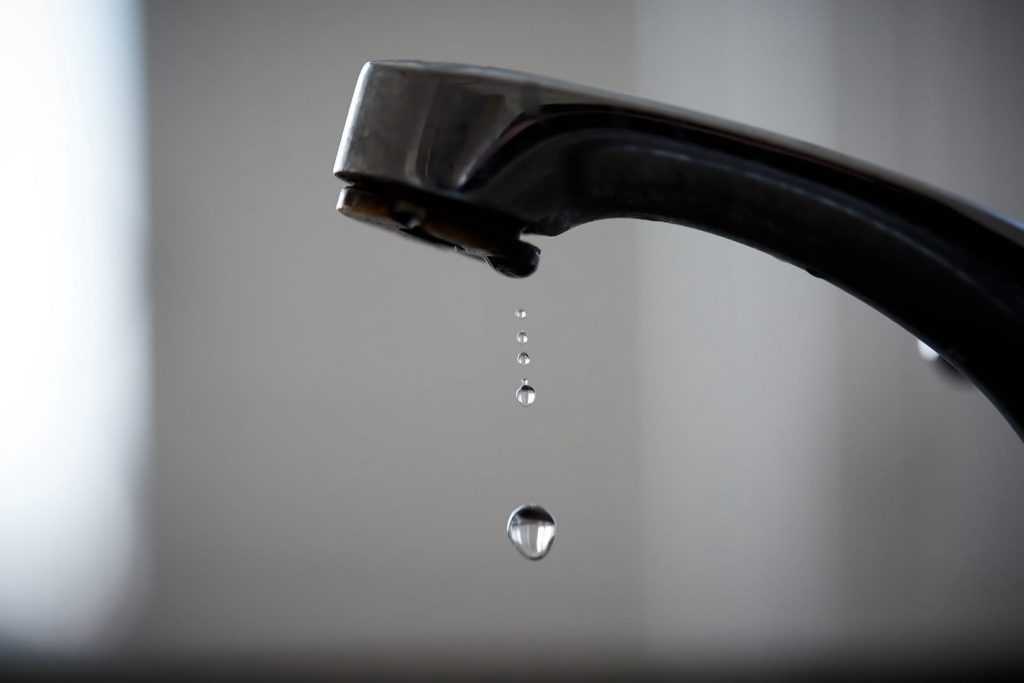
Plumbing maintenance in Central Coast might not sound thrilling, but it’s the unsung hero that keeps your home calm, clean, and stress-free. Picture this: you’re sipping a flat white on your balcony, soaking in the salty sea breeze, when suddenly you hear that dreaded drip-drip-drip.
It’s more than a background annoyance-it’s your plumbing system waving a red flag, begging for attention. Ignore it, and that innocent drip could turn into a flood faster than you can say “emergency plumber.” Staying on top of plumbing maintenance isn’t just smart-it’s your best defence against chaos and costly surprises.
Why Plumbing Maintenance Matters
Plumbing isn’t exactly glamorous, but it’s the lifeblood of your home. Every time you shower, cook, or run a load of laundry, your plumbing is hard at work. Without it, modern life would grind to a halt. That’s why plumbing maintenance matters more than most homeowners realise.
Here’s what it gives you in detail:
- Prevents costly repairs later on. Fixing small leaks or replacing worn parts early stops them from becoming full-scale disasters like burst pipes or water damage.
- Improves water efficiency. A single dripping tap can waste over 9,000 litres of water a year. Maintenance ensures your fixtures run efficiently, lowering bills and saving precious water.
- Extends the lifespan of pipes and fixtures. Just like teeth last longer with regular brushing and dentist visits, your plumbing lasts longer with consistent care.
- Keeps stress at bay. Imagine avoiding surprise leaks during Christmas lunch or blocked drains on a weekend getaway—that peace of mind is priceless.
Skipping plumbing maintenance is like driving your car without ever servicing it. Sure, it works for a while, but sooner or later the engine will blow, and you’ll be left stranded.
The Silent Killers of Plumbing Systems
Your plumbing doesn’t just wake up one morning and decide to quit. The decline is usually slow, subtle, and often invisible until the damage is done. Some of the biggest culprits include:
- Small leaks. A drip under the sink might seem harmless, but over time it rusts fittings, weakens cabinetry, and encourages mould growth.
- Blocked drains. Central Coast homes often deal with sandy grit, food scraps, and hair clogs. These slowly build pressure behind pipes until something bursts.
- Hard water build-up. Mineral deposits inside pipes act like cholesterol in arteries, restricting flow and straining the system.
- Old fixtures. Taps, seals, and washers have expiry dates. Ignoring them leads to constant drips and wasted water.
A professional plumbing service detects these hidden threats before they spiral into chaos. One simple inspection today could save you thousands tomorrow.
How Maintenance Actually Extends System Life
You might be wondering: “Okay, but how exactly does maintenance add years to my plumbing system?” The answer: maintenance doesn’t just patch things—it protects them.
| Maintenance Action | Detailed Benefit | Lifespan Extension Effect |
|---|---|---|
| Fixing small leaks early | Stops corrosion, mould growth, and wood rot | Pipes last 5–10 years longer |
| Clearing drains regularly | Prevents blockages, pressure build-up, and foul odours | Reduces risk of pipe bursts |
| Servicing hot water systems | Keeps heating elements clean and efficient | Adds 3–5 years to unit life |
| Replacing old washers/seals | Stops dripping taps, prevents water waste | Extends tap fixture longevity |
| Checking water pressure | Prevents stress cracks and hidden leaks | Protects entire system |
Think of maintenance as a tune-up for your plumbing’s “engine.” By removing the wear-and-tear factors that shorten its lifespan, you keep the system running like new for years.
Central Coast Homes & Plumbing Challenges
Living on the Central Coast is stunning—sunny beaches, salty breezes, and charming old homes. But your plumbing? It takes a hit from this environment.
- Salty sea air corrodes exposed metal pipes and fixtures faster than in inland areas.
- Sandy soils sneak into drains and outdoor taps, causing stubborn blockages.
- Older coastal homes often come with outdated galvanised pipes that corrode or leak.
- High seasonal demand—holiday homes or rentals often experience plumbing stress from sudden spikes in water use.
Regular plumbing maintenance is like a shield against these unique coastal challenges, ensuring your system doesn’t age before its time.
Money Talks: How Maintenance Saves You Cash
Here’s a little truth bomb: plumbing maintenance isn’t just about avoiding problems—it’s about saving money long term.
- A small annual service might cost $150–$300.
- A burst pipe repair? $2,000–$5,000.
- A failed hot water system replacement? $1,500–$4,000.
Which would you rather pay?
On top of avoiding catastrophic repair costs, efficient plumbing saves you money every single month. According to the Australian Government’s Your Home guide, water-efficient fixtures cut water use by up to 30%, which shows up as smaller bills.
So, maintenance isn’t just about preventing disasters—it actively puts money back in your pocket.
Here’s a side‑by‑side comparison to show you exactly how much difference it makes:
| Scenario | Typical Cost (AUD) | Stress Level | Long‑Term Impact |
|---|---|---|---|
| Regular Plumbing Maintenance | $150–$300 annually | Low – quick check | Extends system life, prevents waste |
| Burst Pipe Emergency | $2,000–$5,000 | High – sudden mess | Major repairs, possible water damage |
| Blocked Drain Fix | $350–$800 | Medium | Disrupts daily routines |
| Hot Water System Replacement | $1,500–$4,000 | High | Large upfront cost, cold showers |
This table makes it pretty clear: prevention is always cheaper and far less stressful than scrambling during an emergency.
Signs You’re Overdue for Plumbing Maintenance
If you’re unsure whether it’s time for a plumbing check-up, here are the red flags to watch out for:
- Weak water pressure. Could mean blockages, leaks, or failing pipes.
- Gurgling or knocking pipes. These sounds scream “air pockets” or pressure problems.
- Foul drain smells. Hidden blockages or stagnant water are usually the culprits.
- Hot water delays. If your shower takes forever to warm up, your hot water system may be on its way out.
- Mysterious damp patches. Walls, ceilings, or floors with wet spots are a classic leak sign.
The longer you ignore these, the worse (and more expensive) they get.
Preventive Plumbing Tips for Central Coast Homeowners
Want to stretch your plumbing’s life even further between professional services? Here are some practical, easy-to-follow habits:
- Don’t pour grease down the sink. Fat hardens inside pipes like candle wax, narrowing flow.
- Use drain strainers. Catch food scraps, hair, and sand before they cause blockages.
- Check outdoor taps after storms. Sudden weather shifts often loosen fittings or crack seals.
- Locate your water meter. In an emergency, shutting it off fast can save thousands.
- Book an annual plumbing service. Even if “nothing seems wrong,” prevention always beats cure.
Conclusion
Plumbing problems rarely explode out of nowhere, they creep up slowly, giving you time to prevent them. Regular plumbing maintenance is like a full-body check-up for your home’s arteries. It saves you money, reduces stress, and keeps your system working well beyond its expected lifespan.
So next time you’re tempted to ignore that tiny drip or strange pipe noise, remember: future-you will be grateful you booked that service today.
Ready to give your plumbing a longer, healthier life? Book a plumbing service in Central Coast now and protect your home against costly surprises.
FAQs: Plumbing Maintenance in Central Coast
How often should I book plumbing maintenance in Central Coast?
Most plumbers recommend once a year. Coastal homes, with salty air and older pipes, may need checks every 6–9 months.
What’s included in plumbing maintenance services?
A standard service covers checking for leaks, inspecting hot water systems, clearing drains, testing water pressure, tightening fixtures, and assessing pipe condition.
Can plumbing maintenance really prevent emergencies?
Yes—most emergencies like burst pipes, blocked drains, or system failures show warning signs that maintenance detects early.
How much does plumbing maintenance cost in Central Coast?
On average, expect to pay $150–$300 for a routine inspection. Compare that to thousands for repairs—it’s a no-brainer.